What Is a First Look Photoshoot?
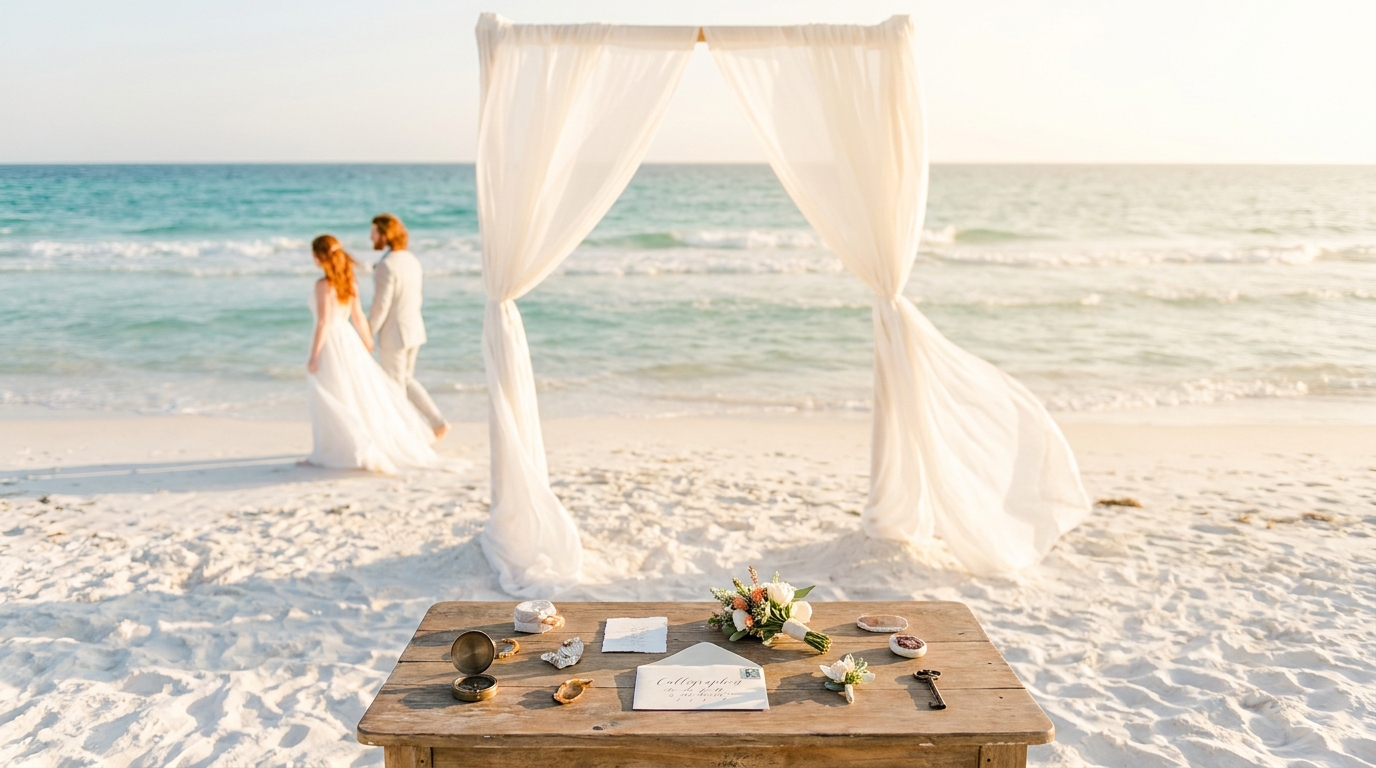
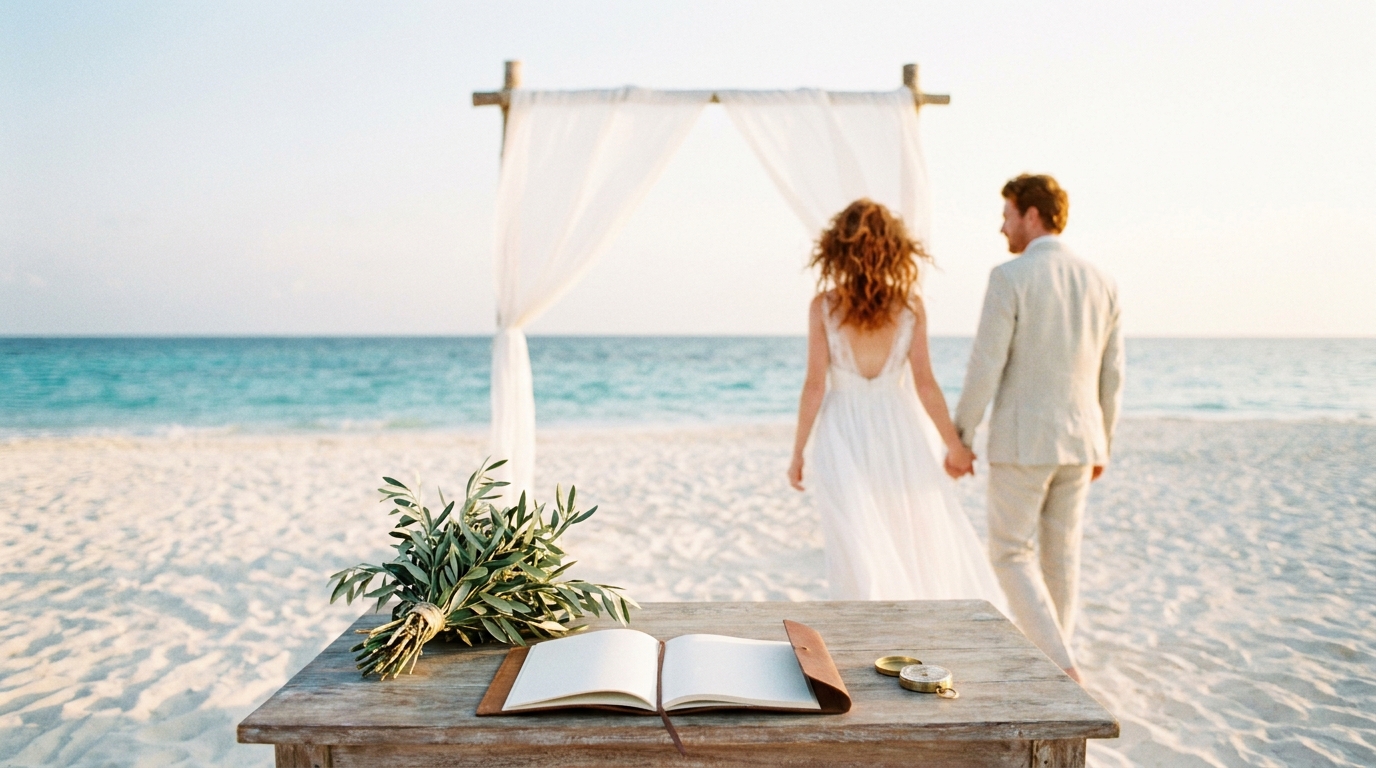
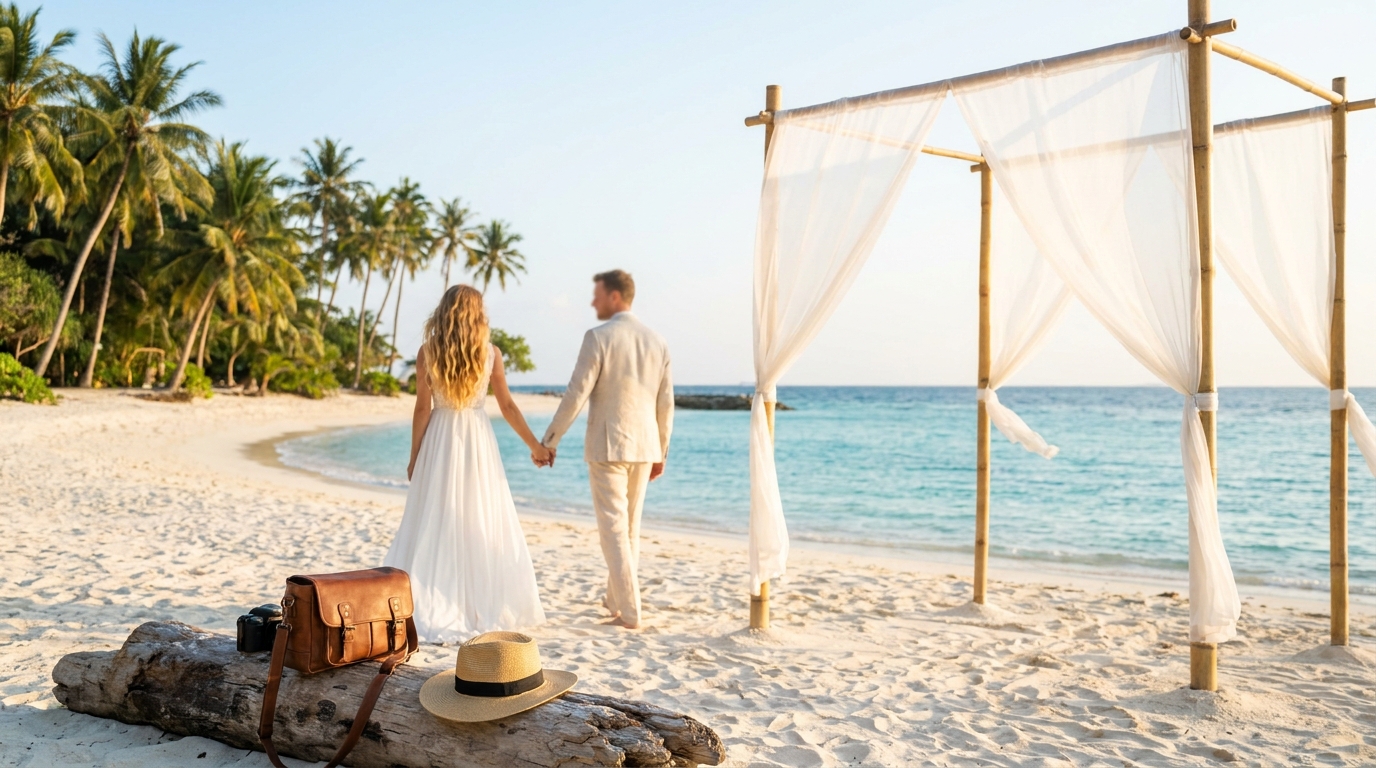
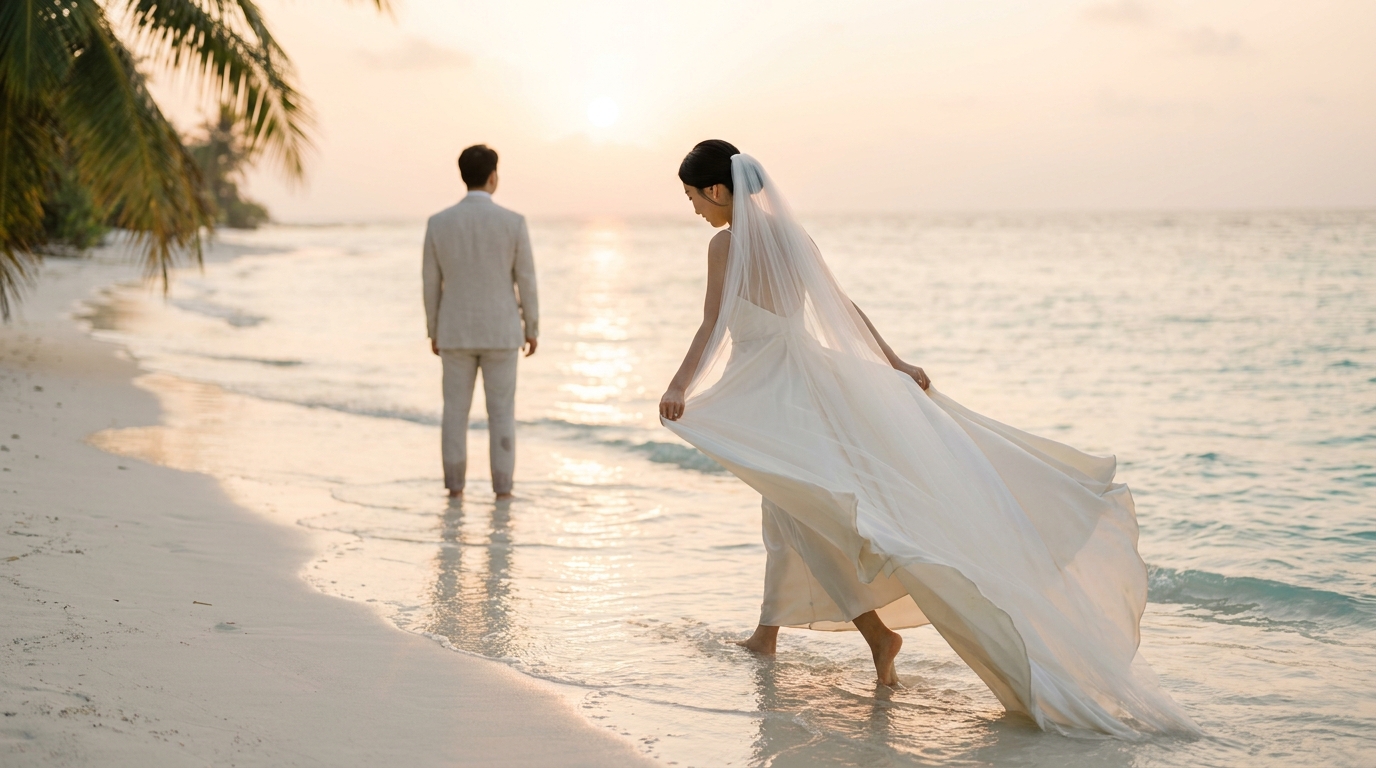
A first look photoshoot is a private, pre-ceremony moment where you see each other for the first time on your wedding day, captured by your photographer in a planned location away from guests.
Rather than waiting for the walk down the aisle, a first look photoshoot happens before the ceremony begins. You and your partner meet in a quiet, predetermined spot, typically in full wedding attire, while your photographer captures the raw emotional reaction from a respectful distance. [Source: Bridebook] The practice has grown steadily in popularity: 44% of American couples who married in 2017 did a first look, and by 2023, that number had climbed to 56%. [Source: Nytimes] [Source: Theperfectwedding]
How It Differs From a Traditional Timeline
In a traditional wedding timeline, the couple doesn’t see each other until the processional. All couple portraits, wedding party photos, and family formals get squeezed into the window between the ceremony and reception, often during cocktail hour. With a first look, most of that photography work shifts to before the ceremony. Some planning guides estimate that couples can complete up to 80–90% of formal photos before guests even arrive. [Source: Theperfectwedding]
What Actually Happens During the Session
The moment itself is often very short, sometimes under a minute, but photographers recommend reserving 15–20 minutes to capture it properly. [Source: Bridebook] Here’s the typical flow: one partner stands with their back turned in a pre-selected spot. The other approaches, taps their shoulder or says their name, and the turn happens. Your photographer stays discreet, shooting from a distance with a longer lens. Some couples also use this time to exchange private vows or small gifts before transitioning into couple portraits.
Why Do Couples Choose a First Look?
Couples choose a first look to ease nerves, gain extra time for photos, experience a private emotional moment, and reduce post-ceremony time away from guests at the reception.
The Timeline Advantage
A first look can give couples 1 to 2 extra hours together on the wedding day, according to Junebug Weddings. [Source: Theknot] One photographer source reports that couples doing a first look can get up to 40% more bride-and-groom portraits because of the additional scheduled time. [Source: Theknot] For destination weddings, where venue access windows are often limited and daylight is a factor, this extra time is especially valuable. If you’re working with a compressed destination wedding timeline, shifting portraits earlier can prevent the entire post-ceremony schedule from feeling rushed.
The Emotional Privacy Factor
Many couples report that the first look reduces nerves and creates a calmer, more intimate experience before the ceremony. [Source: Bridebook] Instead of processing an overwhelming wave of emotion in front of 100+ guests, you get a private moment to absorb how your partner looks, say something meaningful, and settle into the day. That emotional grounding often carries into the ceremony itself.
The Photography Quality Benefit
Lighting matters. A first look scheduled 2–3 hours before a late afternoon ceremony often takes advantage of softer, more flattering natural light than the post-ceremony golden hour rush. Photographers frequently note that the relaxed pace of a first look session produces more natural expressions and varied compositions than the time-pressured post-ceremony window. [Source: Theperfectwedding]
What Does a First Look Photoshoot Cost?
Most photographers include first look coverage in standard wedding packages at no extra charge, though it may add $200–$500 if it requires extended hours or a second shooter for simultaneous getting-ready coverage.
When It’s Included vs. When It Costs Extra
Full wedding photography packages, which commonly start around $2,500, typically include first look coverage as part of the day’s timeline. [Source: Zola] The first look doesn’t usually generate a separate line item. Where costs increase is when the first look requires your photographer to start earlier than the contracted hours, or when simultaneous getting-ready coverage for both partners demands a second shooter. In those cases, expect an additional $150–$500 depending on your market and photographer’s rate structure. [Source: Zola]
Hidden Costs: Transportation and Venue Access
The photography fee is only part of the equation. If your first look location is separate from your getting-ready space or ceremony venue, you’ll need transportation. At a destination wedding, this might mean an extra shuttle or taxi run. Some resorts also charge venue access fees for using specific areas outside your contracted event space. Hair and makeup artists may charge more for an earlier call time. Factor these into your budget when deciding.
| Cost Category | Typical Range | Notes |
|---|---|---|
| Photography (included in package) | $0 | Most full-day packages cover it |
| Extended photographer hours | $150–$500 | If first look pushes beyond contracted time |
| Second shooter | $200–$500 | For simultaneous getting-ready coverage |
| Transportation to first look location | $50–$200 | Varies by destination |
| Earlier hair/makeup call time | $0–$300 | Some artists charge for pre-dawn starts |
| Venue access fee | $0–$500 | Resort-dependent; often negotiable |
Find Your Wedding Venue & Guest Hotels
Compare resort rates, read verified guest reviews, and book with free cancellation. Filter by wedding-friendly properties at your destination.
Free cancellation on most properties. No booking fees.
Search HotelsCosts vary significantly by location, vendor, and season. Always confirm pricing directly with your vendors.
Does a First Look Ruin the Ceremony Moment?
Many couples who did a first look report the ceremony moment felt equally or more emotional because they were calmer and more present, not distracted by nerves or anticipation.
What Couples Actually Report
This is the biggest concern couples raise, and the data is reassuring. Several photographers and wedding planners report that couples feel the ceremony delivers a separate emotional impact because the aisle moment happens with family and friends present, creating a fundamentally different context than the private first look. [Source: Theperfectwedding] One source describes the shift as the ceremony becoming “anticipation rather than bracing,” suggesting the emotional energy transforms rather than disappears. [Source: Theperfectwedding]
The Two-Moment Theory
Think of it this way: instead of one high-stakes reveal, you get two distinct emotional peaks. The first is private, intimate, and just for the two of you. The second is communal, witnessed by everyone you love, and carries the weight of the ceremony’s words and commitments. Photographers consistently observe that couples experience both moments as meaningful and distinct. [Source: Theperfectwedding] The aisle walk doesn’t lose its power simply because you’ve already seen each other. The context, the music, the faces of your loved ones, those elements create their own emotional force.
How Do You Plan a First Look Photoshoot?
Plan your first look by choosing a private location with good light 2–3 hours before the ceremony, coordinating with your photographer on positioning and timing, and building in 15–20 minutes for the moment plus portraits.
Choosing the Location
Look for a spot that offers three things: privacy from guests, clean visual backgrounds, and good natural light. At a beach resort, this might be a garden path, a quiet stretch of shoreline, or a rooftop terrace. Avoid locations where early-arriving guests might wander through. Your photographer can scout options during a venue walkthrough, which is especially important for destination weddings where you may not have visited the property in person. Explore creative photo opportunities at your venue to make the most of the setting.
Timing It Right
The reveal itself takes about 5–10 minutes. The full session, including couple portraits, typically runs 30–45 minutes. [Source: Nytimes] Build in a buffer of at least 15 minutes for unexpected delays like a zipper issue or a late makeup artist. Most photographers recommend scheduling the first look at least 2 hours before the ceremony to allow time for the reveal, portraits, and travel back to the ceremony site.
What to Say (or Not Say)
There’s no script required. Some couples prepare a few words. Others say nothing and just hold each other. The most genuine moments tend to happen when you don’t overthink it. If you want to exchange private vows or read letters, tell your photographer in advance so they can position themselves for both the reading and the reaction.
Coordinating With Your Photographer
Discuss the first look during your planning consultation, not the week before. Your photographer needs to know the location, the light conditions at that time of day, whether you want a specific approach direction, and how you’d like them to direct (or not direct) the moment. When choosing your photographer, ask to see full first look galleries, not just highlight reels, so you can evaluate how they handle the pacing and emotion of the session.
What Are the Alternatives to a Traditional First Look?
Alternatives include a first touch where you hold hands without seeing each other, exchanging letters or gifts before the ceremony, or doing a first look with your wedding party instead of each other.
A first touch lets you connect physically, often around a corner or through a door, while preserving the visual reveal for the aisle. It’s a popular compromise for couples who want the calming effect without giving up the traditional first sight. Letter exchanges create an emotional anchor point earlier in the day without any visual contact. And a wedding party first look, where your bridesmaids or groomsmen see you in your attire for the first time, generates great candid photos and group energy without involving your partner at all.
How Does a First Look Affect Your Wedding Day Timeline?
A first look typically moves your getting-ready start time 2–3 hours earlier but eliminates 45–90 minutes of post-ceremony photo time, letting you join cocktail hour and reducing guest wait time before the reception.
Sample Timeline: With First Look
-
10:00 AM – Hair and makeup begins
-
1:30 PM – Fully dressed, detail shots
-
2:00 PM – First look (15–20 minutes)
-
2:20 PM – Couple portraits and wedding party photos (40 minutes)
-
3:00 PM – Family formals (20–25 minutes)
-
3:30 PM – Buffer time, hydrate, touch-ups
-
4:00 PM – Ceremony
-
4:30 PM – Cocktail hour (you attend with guests)
-
5:30 PM – Reception begins
Sample Timeline: Without First Look
-
12:00 PM – Hair and makeup begins
-
3:00 PM – Fully dressed, detail shots
-
3:30 PM – Getting-ready portraits
-
4:00 PM – Ceremony
-
4:30 PM – Family formals (20–25 minutes)
-
4:55 PM – Couple portraits and wedding party photos (35 minutes)
-
5:30 PM – Arrive at reception (cocktail hour mostly over)
-
5:45 PM – Reception begins
The Destination Wedding Factor
Destination weddings amplify the timeline benefits of a first look. Resort venues often have strict event windows. Tropical locations lose daylight quickly after sunset, with little usable twilight. And if your ceremony is on a beach, afternoon sun can be harsh, making an earlier first look session in shaded gardens or covered terraces a better option for flattering photos. A first look can save 45–60 minutes of post-ceremony photography time. [Source: Theperfectwedding] At a destination where every minute of venue access counts, that recovered time is significant. Use our wedding day checklist to map out exactly how each vendor’s arrival time connects to your first look schedule.
What Should You Wear for a First Look?
Wear your full wedding attire including dress, suit, shoes, jewelry, and veil if you’re using one. The first look happens after you’re completely ready.
The entire point is the emotional reaction to seeing each other in your final wedding look. That means everything should be in place: accessories, boutonnieres, cufflinks, the works. Steam garments the night before and bring a small emergency kit for last-minute wrinkles or loose threads. [Source: Nytimes] Choose shoes you can walk in comfortably, since first look locations often involve uneven ground, garden paths, or sandy terrain at beach venues. Solid, saturated colors photograph cleanly, while busy prints can distract from your faces and the emotion of the moment.
How Do You Handle Family Expectations Around First Looks?
Address family concerns by explaining your reasoning early, offering to include them in other special moments, and emphasizing that modern tradition allows couples to choose what feels right for their relationship.
First looks have grown to roughly 60–70% of weddings in some regions and demographics. [Source: Theweddingdossier] This isn’t a fringe choice. Still, some family members, particularly parents or grandparents, may feel strongly about the tradition of not seeing each other before the ceremony. Here’s a practical approach:
-
Bring it up early. Don’t announce it the week of the wedding. Mention it during early planning conversations so family has time to adjust.
-
Explain the practical reasons. “We want to spend cocktail hour with you instead of being away for photos” is a reason most family members appreciate.
-
Create special moments for them. A “first look” with a parent, where they see you in your attire before the ceremony, can be deeply meaningful and gives them their own emotional highlight.
-
Acknowledge their feelings without caving. “We understand this is different from what you expected, and we respect that. This is what works best for our day and our timeline.”
For couples navigating cultural or religious expectations where not seeing each other before the ceremony holds spiritual significance, the alternatives mentioned earlier, like a first touch or letter exchange, can honor those traditions while still easing timeline pressure.
What Questions Should You Ask Your Photographer About First Looks?
Ask whether first look coverage is included in your package, how much time they recommend, what locations work best at your venue, whether they need a second shooter, and how they’ll direct the moment.
Your photographer’s experience with first looks directly affects the quality of the results. Here are the specific questions to bring to your planning meeting:
-
“Is first look coverage included in my package, or does it require additional hours?” Most full-day packages include it, but confirm.
-
“How much total time should we block for the first look and portraits?” Published guides recommend 30–60 minutes for the full block. [Source: Theperfectwedding]
-
“What locations at our venue work best for light and privacy?” Your photographer should be able to scout or recommend spots based on the time of day.
-
“Do you need a second shooter to cover both of us getting ready simultaneously?” If both partners are getting ready at the same time and you want coverage of both, a second shooter may be necessary.
-
“How do you typically direct the first look moment?” Some photographers give detailed positioning instructions. Others stay back and let it unfold. Know their style before the day.
-
“Can I see a full first look gallery from a previous wedding?” Highlight reels show the best 3–5 images. A full gallery reveals how they handle pacing, transitions, and the quieter in-between moments.
Frequently Asked Questions
Here are the most common questions couples ask when deciding whether a first look photoshoot fits their wedding day.
How long does a first look photoshoot take?
The reveal itself typically takes 5–10 minutes. With couple portraits included, plan for 30–60 minutes total. [Source: Nytimes] Build in a 15-minute buffer for delays.
Do most couples do a first look?
The Knot’s 2023 Real Weddings Study reported that 56% of couples chose a first look, up from 44% in 2017. [Source: Theperfectwedding] [Source: Nytimes] In some regions and demographics, adoption reaches 60–70%. [Source: Theweddingdossier]
Will a first look make the ceremony less emotional?
Photographers and planners consistently report that the ceremony retains its emotional power because the communal setting, the vows, and the presence of loved ones create a distinct experience from the private first look. [Source: Theperfectwedding]
Is a first look worth the extra cost?
Most wedding photography packages include first look coverage at no additional charge. Extra costs only arise if the session requires extended hours ($150–$500), a second shooter, or transportation to a separate location. [Source: Zola]
Can we do a first look at a destination wedding?
Yes, and destination weddings often benefit more from first looks because of compressed timelines, limited venue access windows, and the need to maximize natural light in tropical settings. A first look can save 45–60 minutes of post-ceremony portrait time. [Source: Theperfectwedding]
What if one partner wants a first look and the other doesn’t?
Start by identifying the specific concern. If it’s about tradition, a first touch or letter exchange may be a good compromise. If it’s about the aisle moment, share the “two-moment theory,” where the private reveal and the ceremony walk create two separate emotional peaks rather than diminishing one.
Do we need to hire a videographer separately for the first look?
If you already have a videographer booked for the full wedding day, the first look is typically included in their coverage. If you only have a photographer, you won’t have video of the moment unless you arrange separate coverage or ask a trusted friend to record from a distance.
What if it rains on our first look day?
Have a backup indoor location scouted in advance. Hotel lobbies, covered verandas, and resort atriums all work well. Your photographer should have a rain plan as part of the pre-wedding consultation. The emotional impact of the moment doesn’t depend on the setting.
Ready to finalize your wedding day timeline? Use our destination wedding checklist to coordinate every detail, from photographer arrival times to ceremony start, so your first look (or traditional reveal) happens exactly as you envision it.