What Makes a Destination Wedding Checklist Different From a Traditional One?
A destination wedding checklist requires earlier timelines, legal documentation research, guest travel coordination, international vendor vetting, and country-specific marriage requirements that domestic checklists simply don’t address.
Standard wedding checklists assume you’re planning within your home country, where you already know the legal system, can visit vendors in person, and your guests can drive to the venue. A destination wedding checklist operates on an entirely different set of assumptions. You’re coordinating across time zones, navigating foreign marriage laws, and asking your guests to invest significant time and money just to attend. Experts and planning guides consistently frame destination wedding checklists as a different category of planning rather than a simple version of a normal wedding checklist. [Source: ForYourParty]
An estimated 31% of weddings in 2025 were destination weddings [Source: Kande Photobooths], and the global destination wedding market grew from roughly $21 billion to $28 billion in 2023, with projections above $78 billion by 2027 [Source: Future Market Insights]. That growth means more competition for venues, vendors, and hotel blocks, which makes planning timelines even more critical.
The legal documentation layer most couples miss
Every destination country has its own marriage license requirements, and they vary wildly. Some require residency periods, blood tests, or document translations. Others won’t recognize your marriage without specific apostilles or notarized paperwork. If you skip this research, you risk a ceremony that isn’t legally binding, forcing you to re-file in your home country at additional cost. We’ll cover specific requirements for Mexico, Jamaica, Italy, the Dominican Republic, and Hawaii in later sections, but the key point is this: legal research belongs on your checklist at the 12-month mark, not 3 months before the wedding.
Why guest logistics become your second full-time job
Only about 40% of invited guests may attend a destination wedding, with broader estimates ranging from 35% to 50% [Source: ForYourParty]. That’s a dramatically different planning equation than a local wedding’s typical 80% acceptance rate. You’re managing flight bookings, passport renewals, hotel blocks, airport transfers, and multi-day itineraries for every guest who says yes. About 70% of guests need at least six months’ notice to commit to attending [Source: Kyla Jeanette], which means your communication timeline starts much earlier than a domestic wedding.
Vendor booking timelines shift 3-6 months earlier
When you’re planning from another country, you can’t pop in for a tasting or a venue walkthrough on a Saturday afternoon. Vendor booking windows shift 3-6 months earlier because you need time for virtual consultations, contract reviews across different legal systems, and international payment arrangements. Popular destination wedding locations like Cancun and Santorini have peak seasons where top vendors book out a year or more in advance. If you’re working with a local wedding planner, they can help navigate these timelines, but you still need to start earlier than you think.
12-18 Months Before: What Should You Lock Down First?
Book your venue and accommodation block first, then research marriage license requirements for your destination country, secure passports for both partners, and hire a local wedding planner who understands regional vendor networks.
The average destination wedding planning timeline runs 13-18 months [Source: Paradise Weddings]. This first phase is where you make the decisions that drive everything else. Get these wrong or late, and every subsequent timeline compresses painfully.
Venue and accommodation block (why this comes before everything)
Your venue determines your date, your guest count capacity, your catering options, and often your ceremony style. At popular destinations, prime dates book 12-18 months out. Alongside the venue, secure a hotel room block for guests. Eden Photo & Film advises securing hotel room blocks at least 9-12 months in advance, especially in peak season, and couples often achieve around 22% off standard hotel rates through group negotiations [Source: Eden Photo & Film].
Set your overall budget before signing anything. Planning guides recommend adding a 10-15% buffer for currency fluctuations, international shipping costs, and other hidden expenses [Source: VFL Destination Weddings]. Costs vary significantly by destination and season.
Marriage license research by destination
Start researching your destination’s marriage requirements now, even though you won’t file paperwork for months. Requirements change, so always verify with local authorities or your planner. Here’s a snapshot of what five popular destinations typically require (as of recent guidance):
| Destination | Residency Requirement | Key Documents | Notable Requirements |
|---|---|---|---|
| Mexico | None (varies by state) | Birth certificates, passports, blood tests (some states) | Civil ceremony required; state-specific rules. Reserve civil ceremony date 10-12 months out. |
| Jamaica | 24 hours on island | Certified birth certificates, proof of divorce/death certificate if applicable | Relatively straightforward. Couples can apply upon arrival. |
| Italy | None | Nulla Osta (no impediment certificate), birth certificates, passport | Requires apostilles and translations. Banns posted 2 weeks before ceremony. |
| Dominican Republic | None | Birth certificates, passports, single status affidavit | Documents must be translated into Spanish and legalized. |
| Hawaii (U.S.) | None | Valid ID for both partners | No blood test, no waiting period. License valid for 30 days. Easiest legal process of the five. |
For Mexico specifically, research state-specific marriage laws and consult a bilingual planner familiar with the civil registry at 12-15 months out. Many couples choose a symbolic ceremony abroad and complete the legal paperwork at home because it’s simpler and cheaper. Check our country-specific marriage license guides for detailed requirements.
Passport and travel document timeline
Check passport expiration dates immediately. Many countries require passports valid for at least six months beyond your travel dates. Standard U.S. passport renewal takes 6-8 weeks; expedited processing takes 2-3 weeks but costs more. If any guests need visas, they’ll need even more lead time. Include passport and visa reminders in your first guest communication.
Local planner vs. DIY: the cost-benefit breakdown
A local wedding planner who knows the vendor landscape, speaks the language, and understands regional logistics is one of the highest-value investments for a destination wedding. They can negotiate vendor contracts in local currency, handle day-of coordination across language barriers, and troubleshoot problems you can’t solve from thousands of miles away. Week-of and on-site execution often represents 20-40% of the labor time on a destination wedding [Source: Data Insights Market]. If you’re considering DIY planning, be honest about whether you can manage that workload remotely.
9-12 Months Out: What Legal and Vendor Steps Are Critical?
Finalize marriage license paperwork, book photographer and videographer, secure catering and florals, send save-the-dates with travel details, and purchase wedding insurance that covers international cancellations.
Marriage license application process (country-specific requirements)
By 9-12 months out, you should know whether your destination’s civil marriage is feasible, including residency periods, blood tests, and required documents [Source: VFL Destination Weddings]. For Mexico, this is when you should reserve your civil ceremony date with the local Registry Office and contract primary vendors. For Italy, begin gathering apostilles and arranging translations. For Jamaica and the Dominican Republic, confirm the specific documents you’ll need to bring.
Vendor contracts: what’s standard internationally vs. red flags
International vendor contracts should specify payment currency, cancellation terms, force majeure clauses, and deliverable timelines. Red flags include contracts that require 100% payment upfront, lack cancellation provisions, or don’t specify what happens if the vendor can’t perform. Industry practitioners typically recommend paying no more than 30-50% as a deposit, with the balance due closer to the event.
Save-the-date content: what guests actually need to know
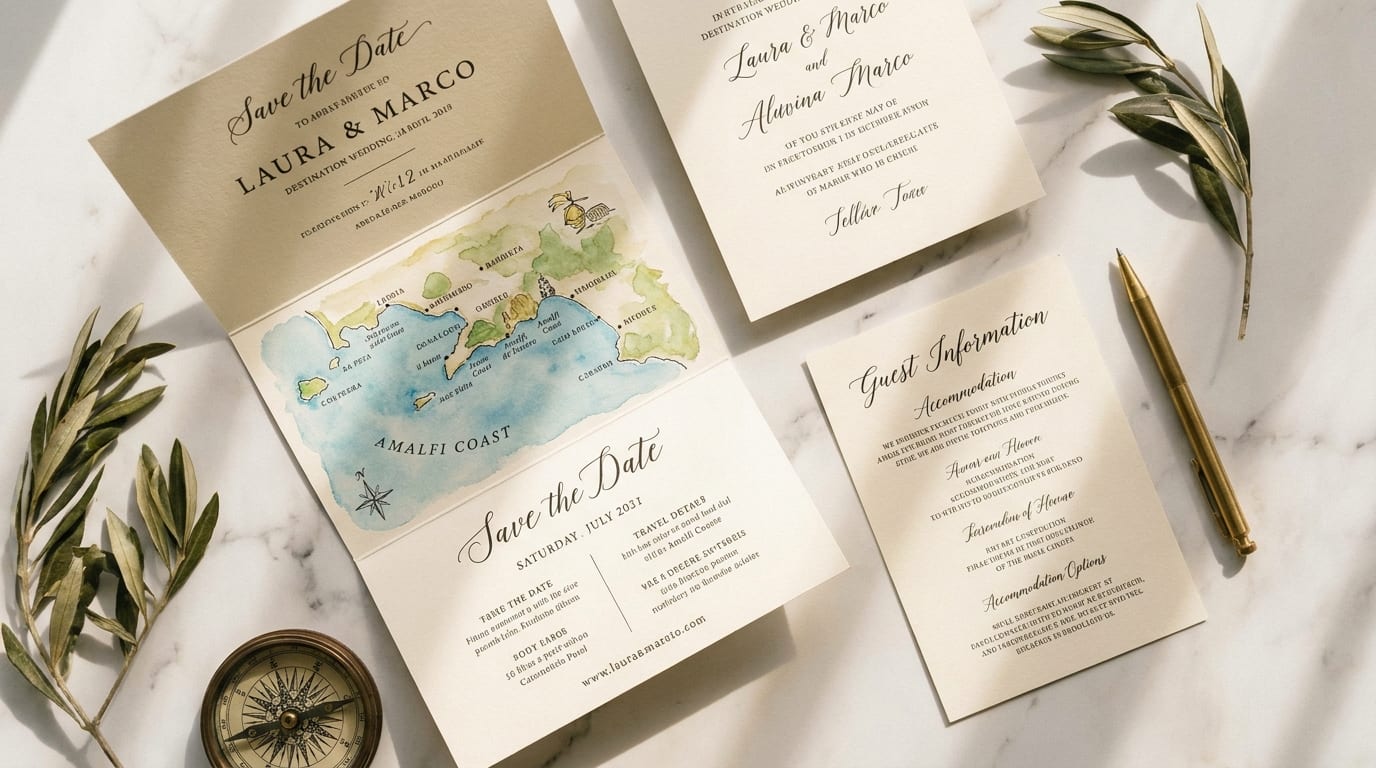
Your save-the-dates for a destination wedding carry more weight than a domestic one. Include the destination, approximate dates, your wedding website URL, and a note about passport requirements. This gives guests 9-12 months to budget, request time off, and renew travel documents. Don’t wait for formal invitations to share travel logistics.
Wedding insurance for international events
Standard wedding insurance policies often exclude international events or have limited coverage for vendor no-shows abroad. Look for policies that specifically cover destination weddings, including trip cancellation, vendor default, and weather-related postponements. Read the fine print on what constitutes a covered event versus an exclusion.
Trip Protection for Your Wedding Party
Cover flights, hotels, and medical emergencies for your entire guest list. Cancel-for-any-reason options ideal for destination weddings.
A+ rated insurer. Group plans available for wedding parties.
Compare Plans6-9 Months Out: How Do You Manage Guest Communication and Travel?
Create a wedding website with accommodation options and booking deadlines, finalize your guest list, book hair and makeup artists, arrange welcome bags, and confirm group rate cutoff dates with your resort or hotel block.
This window is where guest communication becomes your primary focus. International flights booked 4-6 months out are consistently 30-50% cheaper than last-minute bookings [Source: QuikrSVP], so your guests need full travel details in hand now.
Wedding website essentials (accommodation, travel, FAQ)
Your wedding website should function as a one-stop travel guide. Include hotel block details with booking links and cutoff dates, flight recommendations, airport transfer options, visa and passport requirements, a packing guide for the climate, and an FAQ section addressing common concerns. Update it regularly as details solidify.
Group rate management and booking deadlines
Hotel group rates typically have cutoff dates 30-60 days before the event, after which unbooked rooms release back to the hotel at standard pricing. Communicate these deadlines clearly and repeatedly. Couples who start group-rate negotiations 6-12 months ahead tend to secure better discounts [Source: Kyla Jeanette].
Welcome bag planning and local vendor sourcing
Welcome bags are a destination wedding staple. 99% of couples plan a welcome event such as a casual cocktail or BBQ [Source: Paradise Weddings]. Source snacks, water bottles, and local treats from vendors at the destination to avoid customs delays. Ship any non-perishable items well in advance.
Hair and makeup trials: remote vs. on-site
If you can’t visit the destination for a trial, request portfolios, video consultations, and references from recent clients. Some couples schedule a trial during a site visit 3-4 months before the wedding. If you’re arriving 3-5 days early (recommended), you can do a final trial on-site.
3-6 Months Out: How Do You Finalize Details and Track RSVPs?
Send formal invitations with an RSVP deadline 90 days before the wedding, finalize ceremony and reception timelines, book guest transportation, order wedding attire, and confirm all vendor contracts with final payment schedules.
RSVP management for destination weddings (expect 50-70% attendance)
Set realistic expectations. Attendance estimates range from 35% to 50% for destination weddings [Source: ForYourParty], though couples with closer-knit guest lists and popular destinations sometimes see 50-70%. Build your budget around the lower estimate and plan for the higher one. Track RSVPs actively, following up personally with guests who haven’t responded by the deadline.
Transportation logistics: airport transfers and day-of shuttles
Book airport transfers for guests arriving on common flights. For the wedding day, arrange shuttles between the hotel, ceremony site, and reception venue if they’re in different locations. Confirm pickup times, vehicle capacity, and backup plans for late arrivals.
Menu tastings and final catering numbers
If you can’t attend an in-person tasting, ask your caterer for a virtual tasting experience or detailed menu descriptions with photos. Final catering numbers are typically due 2-4 weeks before the event, so use your RSVP data to provide preliminary counts now and adjust later.
Attire considerations for beach or tropical climates
Lightweight fabrics, breathable linings, and shorter trains work better in tropical heat. Grooms should consider linen suits or dress shirts without jackets. Factor in humidity’s effect on hair and makeup, and choose shoes that work on sand if you’re having a beach ceremony.
1-3 Months Out: What Legal Paperwork and Vendor Confirmations Are Due?
Submit your marriage license application if required in advance, reconfirm all vendor contracts and timelines, finalize your seating chart, create a day-of timeline, book the rehearsal dinner venue, and prepare final payments.
Marriage license submission (timing varies by country)
Some destinations require advance submission of marriage license applications, while others handle everything on-site. For Italy, your Nulla Osta and supporting documents should be submitted to the local commune weeks before the ceremony. For Mexico, confirm your civil ceremony date and ensure all apostilled documents are ready. For Hawaii, you can apply for the license online and pick it up in person. Requirements change, so verify current rules with your planner or local authorities.
Vendor reconfirmation protocol
Contact every vendor to reconfirm dates, times, locations, and deliverables. Send a written summary of what you’ve agreed to and ask for written confirmation in return. This is especially important when working across languages and time zones, where miscommunications are more likely.
Seating chart strategy for smaller guest counts
Destination weddings typically have smaller guest lists, which makes seating arrangements both easier and more consequential. Every table dynamic is more visible. Mix travel groups to encourage mingling, and seat guests who’ve traveled together near each other for comfort.
Payment methods: cash, wire transfers, and currency exchange
Many international vendors prefer wire transfers or cash in local currency. International wire transfers often carry fees of $25-50 per transaction, plus currency conversion costs. Credit card payments may incur foreign transaction fees of 1-3%. Research the most cost-effective payment method for each vendor and factor these fees into your budget. Notify your bank of international transactions to avoid fraud holds.
2-4 Weeks Before: What Guest Communication and Packing Steps Remain?
Send a final itinerary to guests with the day-of timeline, pack marriage license documents and vendor contact lists, confirm final headcount with the caterer, arrange welcome event details, and create an emergency contact sheet.
Final guest communication: what to include in the itinerary
Send guests a detailed itinerary covering arrival logistics, welcome event timing, ceremony and reception schedule, dress code, transportation details, and emergency contacts. Include a local map with key locations marked. Digital delivery (email or wedding website update) works well, but consider printed copies in welcome bags for guests without reliable international phone service.
Document checklist: what to pack and what to leave home
Pack originals of your marriage license application, birth certificates, passports, vendor contracts, payment confirmations, and a printed emergency contact list. Carry these in your hand luggage, never in checked bags. Leave copies of all documents with a trusted person at home as backup.
Welcome event planning (timing and budget)
Schedule the welcome event for the evening before the wedding, giving guests time to settle in after travel. Destination weddings now typically run 3-5 days [Source: Paradise Weddings], so a casual welcome gathering sets the tone without exhausting everyone before the main event. Budget 5-10% of your overall wedding budget for welcome activities.
Emergency contact protocol for international weddings
Create a single-page emergency contact sheet listing your planner, all vendors, the hotel front desk, local emergency services, the nearest hospital, and the nearest embassy or consulate. Distribute this to your wedding party and key family members.
Week of the Wedding: How Does On-Site Coordination Work?
Arrive 3-5 days early, meet with all vendors in person, obtain your marriage license if required on-site, conduct the ceremony rehearsal, distribute welcome bags, and designate a point person for day-of vendor coordination.
Among urban couples selecting destination weddings, 30% explicitly seek on-site coordination services from planning platforms [Source: Economic Times India]. Whether you’ve hired a coordinator or are managing things yourself, this week is where planning meets reality.
Arrival timeline: why 3-5 days matters
Arriving early gives you time to adjust to the time zone, handle any last-minute vendor issues, complete on-site legal requirements, and actually enjoy the destination before the wedding day. Couples who arrive the day before frequently report feeling rushed and stressed.
In-person vendor meetings and final walkthroughs
Walk through the ceremony and reception spaces with your planner, photographer, florist, and caterer. Confirm setup times, electrical access, lighting conditions at your ceremony hour, and backup locations in case of weather. This is your last chance to catch problems before the wedding day.
Marriage license pickup (if applicable)
In Jamaica, you can apply for and receive your marriage license within 24 hours of arrival. In Hawaii, you pick up the license in person after applying online. In Mexico, your civil ceremony (which constitutes the legal marriage) may take place at the Registry Office days before or on the wedding day itself. Your planner should guide you through the specific process.
Rehearsal logistics and guest coordination
Keep the rehearsal focused and efficient. Walk through the ceremony order, confirm positions for the wedding party, and run through any readings or special elements. Brief your guests on the next day’s timeline, transportation schedule, and dress code.
Day-of Timeline: What’s Different at a Destination Wedding?
Destination wedding timelines typically start later with 4-6pm ceremonies, require transportation coordination between venues, need weather backup plans, and include extended reception times since guests have traveled specifically for your event.
Ceremony timing and sunset considerations
Most beach and outdoor destination ceremonies are timed around golden hour, typically 4-6pm depending on the season and latitude. Research sunset times for your specific date and location, then work backward to schedule hair, makeup, photography, and first-look sessions.
Transportation logistics between ceremony and reception
If your ceremony and reception are at different locations, build 45-60 minutes of buffer time for guest transportation. Confirm vehicle availability, since higher demand at popular destinations compresses vendor windows, with photographers and hair/makeup artists sometimes juggling multiple events [Source: Kande Photobooths].
Weather contingency plans (required for beach and outdoor venues)
Every outdoor destination wedding needs a Plan B. Confirm your venue’s rain plan, including indoor backup space, tent availability, and the decision-making timeline (who calls it and when). Tropical destinations can experience sudden rain showers that pass quickly, so sometimes waiting 20 minutes is the best contingency.
Reception timeline: why destination weddings run longer
Your guests have traveled thousands of miles to celebrate with you. Destination wedding receptions often run 30-60 minutes longer than domestic ones, with extended cocktail hours, longer dinner service, and later dancing. Build this into your vendor contracts, especially for photographers, DJs, and venue rental periods.
After the Wedding: What Legal Filing and Vendor Follow-Up Is Needed?
Obtain certified marriage certificate copies, file paperwork in your home country if required, follow up with vendors for final deliverables, write reviews, and process outstanding payments within 30 days.
Marriage certificate processing and home country filing
Confirm that your officiant filed the marriage license within 3-5 days of the wedding. Request 3-5 certified copies of the marriage certificate, typically costing $10-20 each, since you’ll need them for name changes, insurance updates, and tax paperwork [Source: My Wedding Kit]. If you married abroad, check whether your home country requires additional filing or apostille for recognition.
Vendor deliverable timeline (photos, video, final invoices)
Settle any remaining vendor balances within 7-10 days of the wedding to avoid disputes. Photo and video deliverables typically take 4-12 weeks depending on the vendor. Confirm expected delivery dates before you leave the destination.
Review and referral protocol
Write vendor reviews within 2 weeks while the experience is fresh. 79% of couples say after-sales follow-up and gratitude notes affect their overall satisfaction [Source: My Wedding Kit]. Your reviews help future couples, and vendors appreciate timely feedback.
Post-wedding financial reconciliation
Review all wedding-related charges, including international transaction fees, currency conversion costs, and any vendor refunds owed. If you changed names, the recommended order is Social Security first, then driver’s license or state ID, then passport and other accounts [Source: My Wedding Kit].
What If You’re Planning on a Shorter Timeline?
Destination weddings planned in under 6 months require immediate venue and accommodation booking, expedited passport processing, pre-vetted vendor packages, and realistic expectations about guest attendance, typically 30-40% versus 50-70% for longer timelines.
Compressed timelines are increasingly common. Recent trend reports note average planning timelines are now under 18 months, down from nearly two years [Source: Paradise Weddings]. If you’re working with less than 6 months, prioritize these steps:
-
Week 1: Book venue, secure room block, hire a local planner who can fast-track vendor bookings.
-
Week 2-3: Send save-the-dates immediately (email is fine), begin passport checks for all travelers.
-
Month 1: Book all vendors through your planner’s existing network. Consider all-inclusive resort packages that bundle catering, décor, and coordination.
-
Month 2: Send formal invitations, finalize legal requirements, purchase wedding insurance.
-
Month 3-5: Manage RSVPs, confirm all details, prepare for travel.
Hawaii is often the easiest destination for short timelines because there’s no residency requirement, no waiting period, and the license process is straightforward. Explore Hawaii venue options if you’re working with limited time.
How Do You Track All of This Without Losing Your Mind?
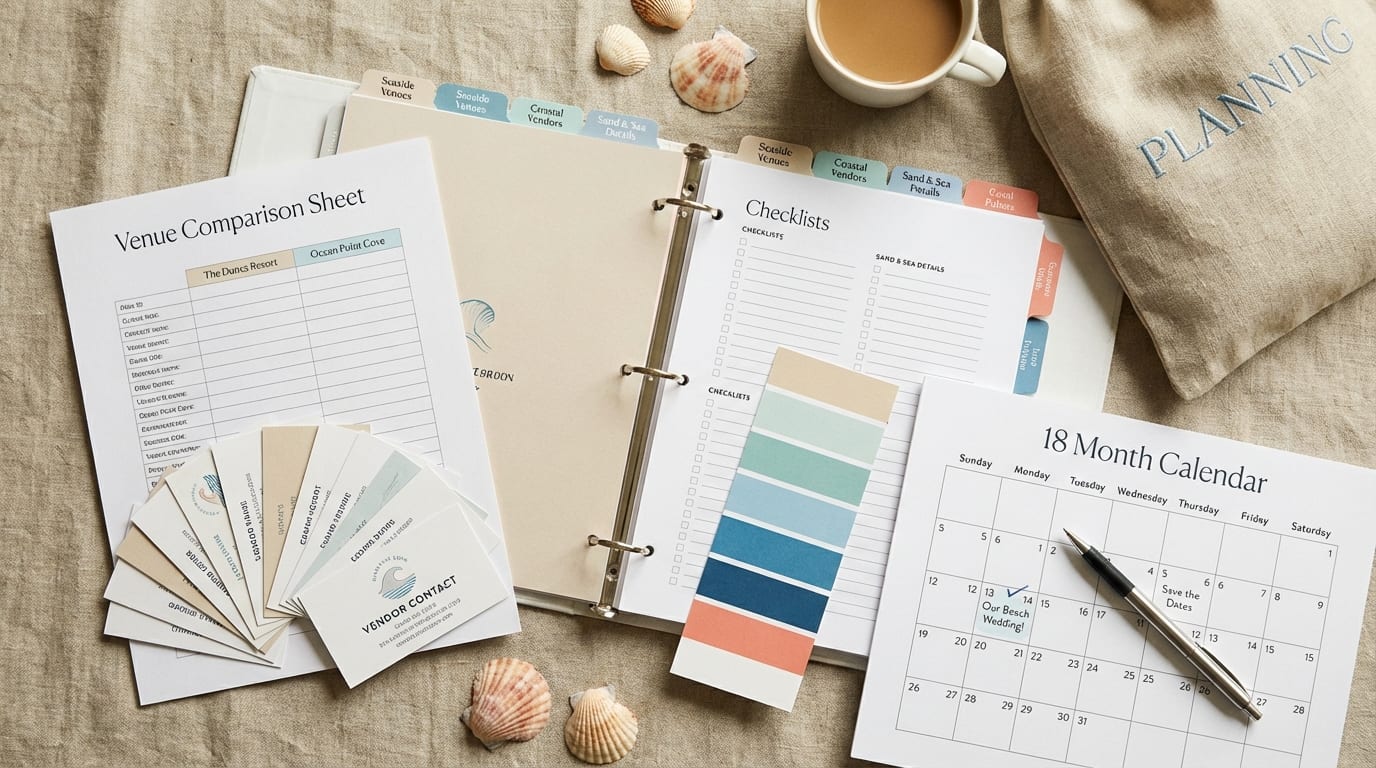
Use a dedicated project management tool with shared access for your partner and planner, create separate trackers for guest RSVPs and vendor payments, set calendar reminders 2 weeks before each deadline, and schedule weekly 30-minute planning sessions.
The sheer volume of parallel timelines, personal planning, guest communication, vendor contracts, legal paperwork, and travel arrangements, is what overwhelms most couples. A master spreadsheet or planning tool with tabs for budget, guests, vendors, travel, and legal requirements keeps everything visible [Source: Here Comes the Guide].
Practical strategies that work:
-
Shared digital tools: Google Sheets, Airtable, or Trello boards that your partner and planner can all access and update in real time.
-
Separate trackers: Don’t lump guest RSVPs into your vendor spreadsheet. Keep them in dedicated tabs or tools so you can sort by response status, dietary needs, and travel arrangements.
-
Calendar automation: Set reminders 2 weeks before every deadline. For critical items like marriage license submissions and hotel block cutoffs, add a second reminder 4 weeks out.
-
Weekly check-ins: Block 30 minutes each week with your partner to review upcoming deadlines, delegate tasks, and update your budget tracker. This prevents the “we forgot about that” moments that derail timelines.
Download our printable destination wedding checklist with all 127 tasks organized by timeline, plus country-specific marriage license requirements for the top 15 destination wedding locations.