How Far in Advance Should You Start Planning a Destination Wedding?
Most couples need 12 to 14 months for popular destinations and peak seasons, though 8 to 10 months works for off-peak dates or smaller groups under 30 guests.
Building a realistic destination wedding timeline starts with understanding that not every couple needs 18 months. The average engagement length is 15 months, and 52% of couples start planning 12 months before the wedding [Source: Paradise Weddings]. That said, high-demand locations like Santorini in summer or Cancun during the winter holiday season push the window earlier. Many resorts and destinations are reserved 12 to 18 months out, especially for peak-season Saturdays [Source: Eden Photo & Film].
The good news? Your timeline depends on three variables: destination popularity, guest count, and season. A 20-person Tuesday wedding in Costa Rica during September requires far less lead time than a 75-guest Saturday celebration in Hawaii during June. Before you panic about being “behind,” assess where your wedding falls on that spectrum.
Micro Wedding (Under 20 Guests) vs. Large Destination Wedding (50+ Guests)
Micro weddings can often be planned in 6 to 9 months. Fewer guests mean simpler logistics, smaller room blocks, and more venue flexibility.
Larger destination weddings benefit from 12 to 18 months of lead time. Room blocks, group airfare coordination, and vendor availability all tighten with bigger headcounts.
What Makes Destination Wedding Timelines Different from Local Weddings?
Destination weddings require earlier venue booking, coordinated guest travel windows, international vendor communication delays, and legal document processing that can take 8 to 12 weeks.
A local wedding lets you visit venues on weekends, meet vendors for coffee, and handle your marriage license at the county clerk’s office the week before. Destination weddings strip away that convenience. You’re coordinating across time zones, relying on email and video calls for vendor communication, and asking your guests to invest significantly more time and money than a local event requires.
Here’s where the timelines diverge most sharply:
| Planning Task | Local Wedding | Destination Wedding |
|---|---|---|
| Venue booking | 9–12 months out | 12–18 months out |
| Save-the-dates | 6–8 months out | 9–12 months out |
| Formal invitations | 6–8 weeks out | 4–6 months out |
| Guest travel booking | Not applicable | 6–8 months out |
| Legal paperwork | Days to weeks | 8–12 weeks (varies by country) |
| Vendor site visits | Multiple in-person visits | 1–2 visits or virtual only |
| Arrival before wedding | Day of or day before | 3–5 days before |
The biggest difference? Guest communication. About 60% of destination wedding invitations are sent more than six months in advance to accommodate guest travel plans [Source: ZipDo]. Your guests aren’t just blocking off an evening. They’re booking flights, requesting vacation days, and budgeting for hotels. That ripple effect shapes your entire planning timeline.
Wedding Invitations from Minted
Designer wedding invitations from over 16,000 independent artists. Foil-pressed, letterpress, and digital prints with free guest addressing on most orders.
Trusted by 1M+ couples. Free guest address printing.
Browse Invitations12 to 14 Months Before: What Actually Needs to Be Booked This Early?
Venue and room blocks at all-inclusive resorts, flights for peak season dates, and your wedding planner if using one. Most other vendors can wait until 8 to 10 months out.
This is the phase where couples often over-commit, locking in florists and DJs before they’ve even confirmed a guest count. Resist that urge. Focus your energy on the two or three decisions that genuinely require long lead times.
Securing Your Venue and Room Block
Your venue is the single most time-sensitive booking. 73% of weddings occur between May and October, driving intense competition for those dates [Source: Eden Photo & Film]. Popular châteaux, beachfront resorts, and premium locations can book more than a year ahead, with some peak-season venues filling two years in advance.
When you contact venues, ask specifically about room block hold deadlines and minimum guest commitments. Many resorts will hold a block of rooms without a deposit for 30 to 60 days, giving you breathing room to confirm interest from your guest list. If you’re considering all-inclusive wedding packages, this is the stage to compare what’s bundled into the venue cost versus what you’ll need to source independently.
Setting Your Guest List Parameters
You don’t need a final guest count right now. You need parameters. Destination weddings typically see 35 to 50% attendance from invitees [Source: Garden of the Gods Resort], so if you invite 100 people, plan for 35 to 50 to attend. Use that range to guide your venue size and room block negotiations.
Researching Legal Requirements for Your Destination
Many countries require a minimum residency period before you can legally marry there, commonly 24 to 72 hours and sometimes longer. Some destinations require blood tests, translated documents, or apostilled certificates that take weeks to process. Start researching now, even if you won’t file paperwork for months. Legal requirements vary by destination and change frequently. Always verify current rules directly with local authorities or your destination’s consulate.
10 to 12 Months Before: When Should You Send Save-the-Dates?
Send save-the-dates 10 to 12 months out for destination weddings, earlier than local weddings, because guests need time to request vacation days, save money, and coordinate group travel.
Minted’s destination wedding guide recommends sending save-the-dates 9 to 11 months before the wedding [Source: Minted]. Eden Photo & Film pushes that to at least 12 months so guests can secure flights and hotels early. The sweet spot for most couples is 10 to 12 months out, which gives guests enough notice without feeling premature.
Creating Your Wedding Website
Your save-the-dates should link to a wedding website that includes the destination, tentative schedule, hotel booking links, and travel tips. This becomes the central hub your guests will reference repeatedly. Include FAQ answers about passports, weather, dress code, and whether kids are invited. The earlier this goes live, the fewer individual questions you’ll field.
Booking Your Photographer and Videographer
Destination wedding photographers, especially those who specialize in specific locations, book early. If you want a photographer who knows the best light at your Tulum cenote or Santorini cliffside, start reaching out now. Browse our destination wedding photographer directory to find vendors experienced with your specific location.
Starting the Legal Paperwork Process
If your destination requires apostilled documents, translated birth certificates, or notarized affidavits, begin gathering them now. Processing times of 8 to 12 weeks are common, and government offices don’t move faster because your wedding date is approaching.
8 to 10 Months Before: What Vendors Can You Book Now Instead of Earlier?
Florists, hair and makeup artists, musicians, and transportation can typically be booked 8 to 10 months out, even in popular destinations, saving you from premature decisions.
Here’s where the “book everything immediately” advice falls apart. Most non-venue, non-photographer vendors don’t fill up 14 months in advance. Waiting until 8 to 10 months out gives you a clearer picture of your budget, guest count, and aesthetic direction.
Finalizing Your Ceremony and Reception Details
With your venue locked in, you can now make informed decisions about ceremony flow, reception layout, and entertainment. If your resort includes a wedding coordinator, schedule a video call to walk through the venue’s standard setup and discuss customization options.
Booking Remaining Vendors
Florists, musicians, DJs, hair and makeup artists, and officiant bookings all fit comfortably in this window. Request quotes from two to three vendors in each category, and ask specifically about destination wedding experience. A florist who regularly works with tropical flowers at your resort will deliver better results than one learning the local supply chain for the first time.
Ordering Your Wedding Attire
Custom and designer wedding dresses typically require 4 to 6 months for production, plus 2 to 3 fittings. Ordering at 8 to 10 months out gives you comfortable margin. Consider your destination’s climate when selecting fabrics and silhouettes. Costs vary significantly based on designer, customization, and shipping requirements.
6 to 8 Months Before: When Do Guests Need to Book Their Travel?
Guests should book flights and accommodations 6 to 8 months before the wedding to secure group rates and reasonable airfare, though some will inevitably wait until 3 to 4 months out.
Jen Avey of Destination Weddings Travel Group recommends securing a travel agent 12 to 18 months in advance to negotiate group rates [Source: Destination I Do]. By the 6 to 8 month mark, those rates should be locked in and ready for guests to book.
Sending Formal Invitations
Formal invitations for destination weddings go out 4 to 6 months before the event, much earlier than the 6 to 8 week standard for local weddings. Include clear RSVP deadlines, travel booking links, and any room block cutoff dates. Set your RSVP deadline for approximately 6 to 8 weeks before the wedding to allow time for final vendor counts.
Finalizing Guest Count Estimates
With save-the-dates sent months ago and invitations going out now, you’ll start getting a realistic picture of attendance. Remember that 35 to 50% attendance rate. Use early RSVPs to refine your budget and vendor orders rather than waiting for every last response.
Planning Welcome Events and Group Activities
Welcome dinners, group excursions, and post-wedding brunches are where destination weddings shine. Research local restaurants, boat tours, or cultural experiences that fit your group size. Book any activities that require reservations now, especially during peak tourist season.
4 to 6 Months Before: What Details Can Wait Until Now?
Decor specifics, menu selections, timeline finalization, and guest gift ordering can all wait until 4 to 6 months out when you have a clearer guest count and budget picture.
This is the phase where patience pays off. Couples who locked in every detail at 12 months often find themselves making expensive changes as guest counts shift. Waiting until now to finalize these elements means your decisions are based on real data, not projections.
Confirming Final Guest Count with Venue
Most venues require a preliminary guest count 4 to 6 months out, with a final count due 4 to 6 weeks before the event. Share your current RSVP numbers and discuss how the venue handles last-minute changes. Ask about the cutoff for adjusting room blocks without penalty.
Creating Your Day-of Timeline
Map out every hour of your wedding day, from hair and makeup start times to last dance. Share this timeline with every vendor. For destination weddings, build in extra buffer time. Transportation delays, tropical weather shifts, and unfamiliar venues all benefit from 15 to 30 minute cushions between events.
Ordering Favors and Welcome Bags
Welcome bags for destination weddings typically include local snacks, water bottles, sunscreen, a printed itinerary, and a personal note. Order supplies now to allow time for shipping to your destination or to the resort’s event coordinator. Costs vary based on contents, guest count, and shipping destination.
2 to 4 Months Before: How Do You Coordinate Final Logistics?
Use this window to confirm all vendor contracts, finalize payment schedules, create detailed timelines for vendors and guests, and handle any remaining legal requirements or document apostilles.
Finalizing Vendor Payments and Contracts
Review every contract for final payment due dates, cancellation policies, and delivery expectations. Many destination vendors require full payment 30 to 60 days before the wedding. Create a payment calendar so nothing slips through the cracks. Costs vary. Payment schedules differ by vendor, destination, and contract terms.
Confirming Guest Attendance and Dietary Needs
Follow up with guests who haven’t RSVP’d. At this stage, you need firm numbers for catering, seating, and transportation. Collect dietary restrictions, allergy information, and any accessibility needs. Share final counts with your venue and caterer.
Arranging Airport Transfers and Group Transportation
Coordinate shuttle services or private transfers between the airport, hotel, and venue. Compile a guest arrival spreadsheet with flight numbers and times. Many resorts offer group transfer packages, but you’ll need to provide a final list of arrivals at least 2 to 4 weeks before the wedding.
1 to 2 Months Before: What Last-Minute Tasks Remain?
Final dress fittings, packing your wedding attire and decor, confirming all vendor arrival times, printing programs and signage, and creating a shot list for your photographer.
Garden of the Gods Resort advises that legal documentation should be fully in order by this point, with final checks completed as you prepare for travel [Source: Garden of the Gods Resort].
Packing and Shipping Considerations
Ship non-essential decor items to your venue or hotel 2 to 3 weeks before arrival. Carry your wedding dress, rings, marriage license documents, and any irreplaceable items in your carry-on luggage. Never check your wedding dress. Create a packing list that separates “ship ahead” items from “carry with you” items.
Final Vendor Confirmations
Email every vendor to confirm date, time, location, and contact information. Share your day-of timeline and emergency contact list. Ask vendors to confirm they have your final guest count, setup requirements, and any special requests.
Creating Your Emergency Contact List
Compile a single document with phone numbers for every vendor, the venue coordinator, your hotel concierge, local emergency services, the nearest hospital, your embassy or consulate, and your wedding planner. Share this with your maid of honor, best man, and anyone helping coordinate on the ground.
Week of the Wedding: What Happens When You Arrive?
Most couples arrive 3 to 5 days early to handle venue walkthroughs, vendor meetings, marriage license processing, welcome events, and rehearsal. Build buffer time for delays.
Multiple professional guides converge on the 3 to 5 day recommendation, which has become the standard planning norm [Source: Eden Photo & Film]. Arriving before most guests gives you time to settle in and handle logistics without an audience.
Day-by-Day Breakdown of the Week
-
4 to 5 days before: Arrive, check into your room, recover from travel. Do a casual venue walkthrough to see the space in person.
-
3 days before: Meet with your venue coordinator and any local vendors. Confirm setup details, delivery times, and backup plans for weather.
-
2 days before: Handle marriage license processing if required locally. Host a welcome dinner or casual gathering as guests begin arriving.
-
1 day before: Rehearsal, final vendor check-ins, and a rehearsal dinner. Deliver welcome bags to guest rooms. Get to bed early.
-
Wedding day: Follow your day-of timeline. Let your planner or coordinator handle problems. Your only job is to be present.
Handling Unexpected Issues
Something will go sideways. A vendor might arrive late, the weather might shift, or a guest’s flight might get cancelled. Build 30-minute buffers into your timeline and designate one person (ideally your planner or coordinator) as the point of contact for all problems. You should not be the one solving logistics on your wedding day.
When to Delegate Versus Handle Yourself
Handle personally: vows, ring selection, final outfit decisions, and anything emotionally significant. Delegate everything else. Vendor payments, guest transportation hiccups, seating chart adjustments, and timeline changes should all go through your coordinator or a trusted member of your wedding party.
What If You’re Planning on a Shorter Timeline?
Weddings planned in 6 months or less require immediate venue booking, flexible vendor selection, off-peak dates, smaller guest lists, and willingness to accept limited availability.
You’re not too late. But you do need to adjust your approach. The average planning timeline ranges from 9 to 18 months for destination weddings [Source: Paradise Weddings], so a 6-month timeline means compressing several phases and accepting trade-offs.
Here’s what changes on an accelerated timeline:
-
Skip save-the-dates entirely. Go straight to formal invitations with all travel details included. Call your closest guests personally before mailing anything.
-
Choose an off-peak date. Midweek dates and shoulder-season months dramatically increase venue availability.
-
Consider a micro wedding. Fewer than 20 guests simplifies every logistical challenge, from room blocks to catering minimums.
-
Book an all-inclusive package. Resort wedding packages bundle venue, catering, decor, and coordination into a single booking, eliminating the need to source individual vendors.
-
Be flexible on destination. Your first-choice location might be booked, but equally beautiful alternatives often have availability.
About 60% of destination wedding invitations are sent more than six months in advance [Source: ZipDo]. If you’re inside that window, your guests will have less time to plan, which typically means a smaller attendance rate. Factor that into your expectations and budget accordingly.
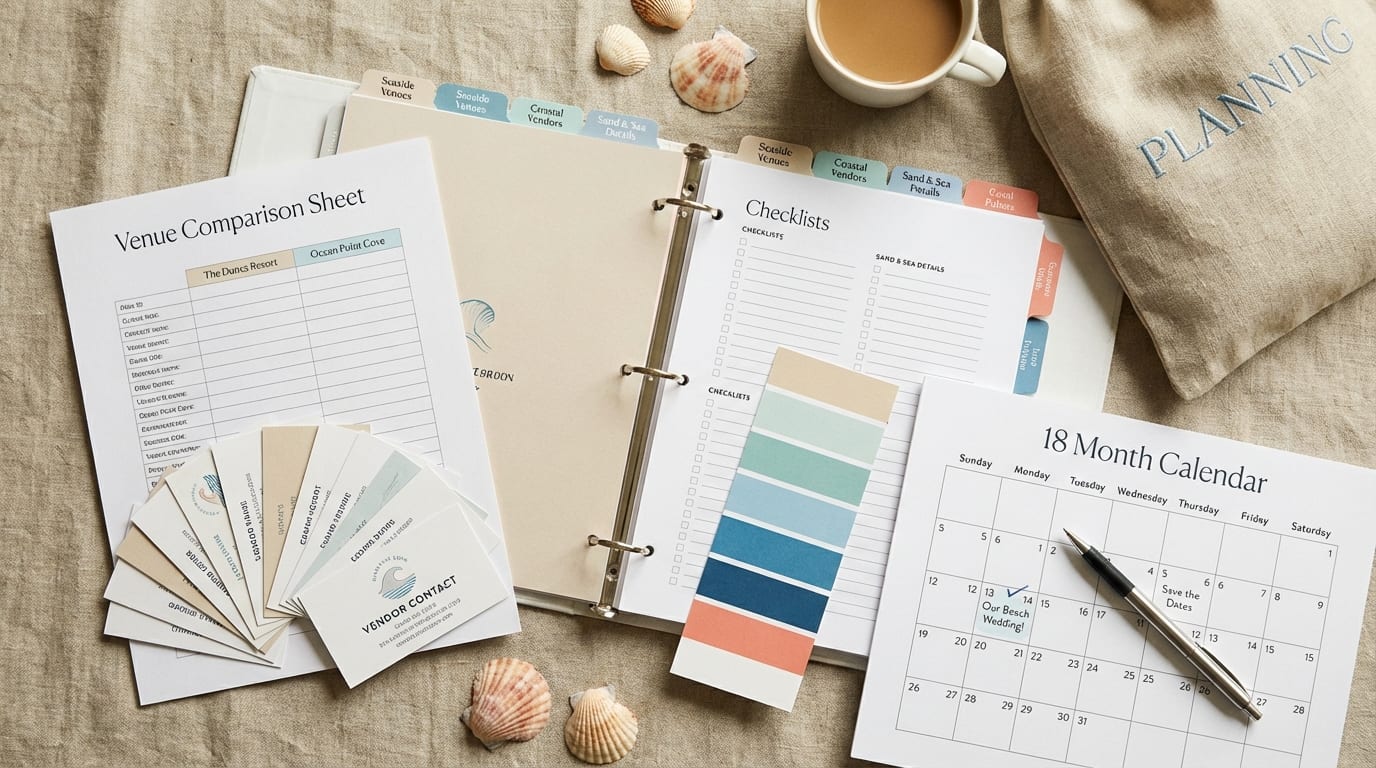
Ready to turn this timeline into action? Download our printable destination wedding timeline checklist with month-by-month tasks, vendor booking windows, and guest communication templates, customized for your wedding date and destination.