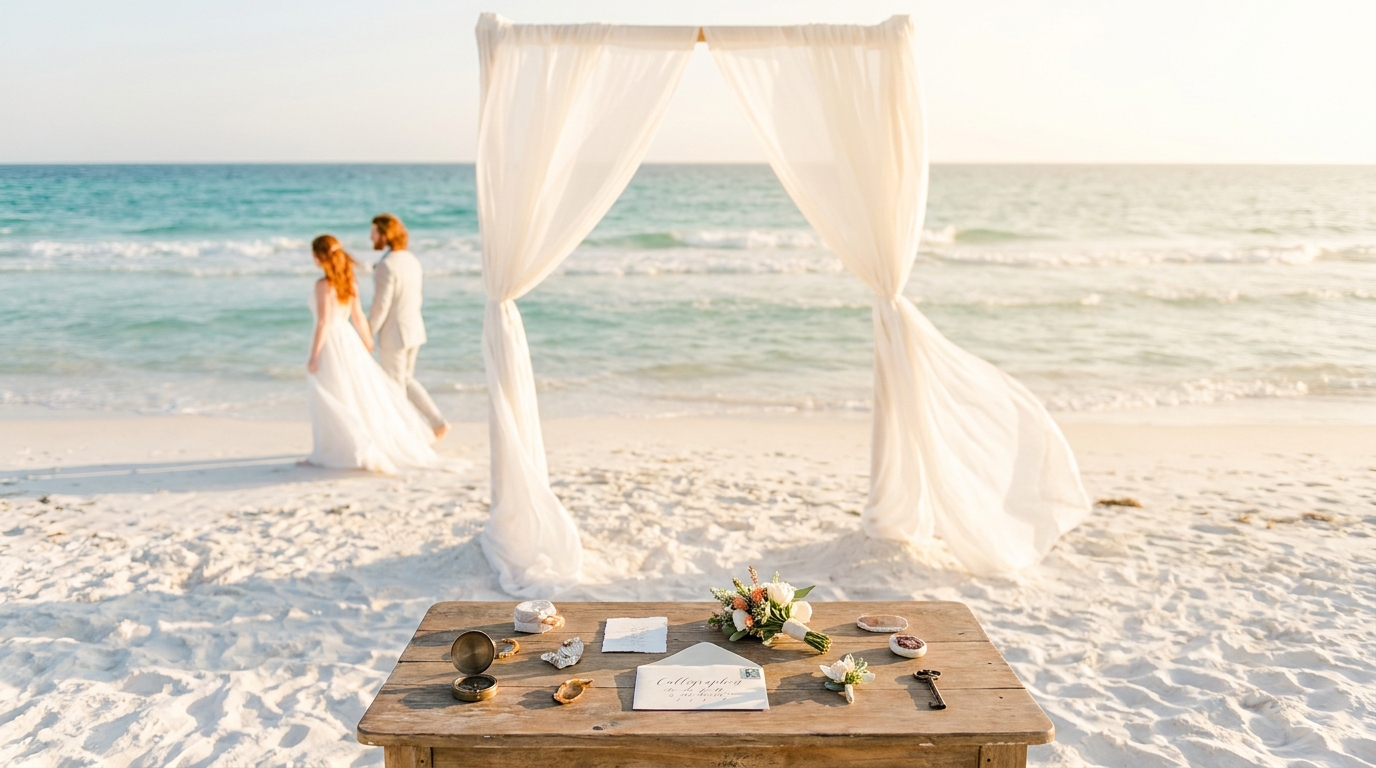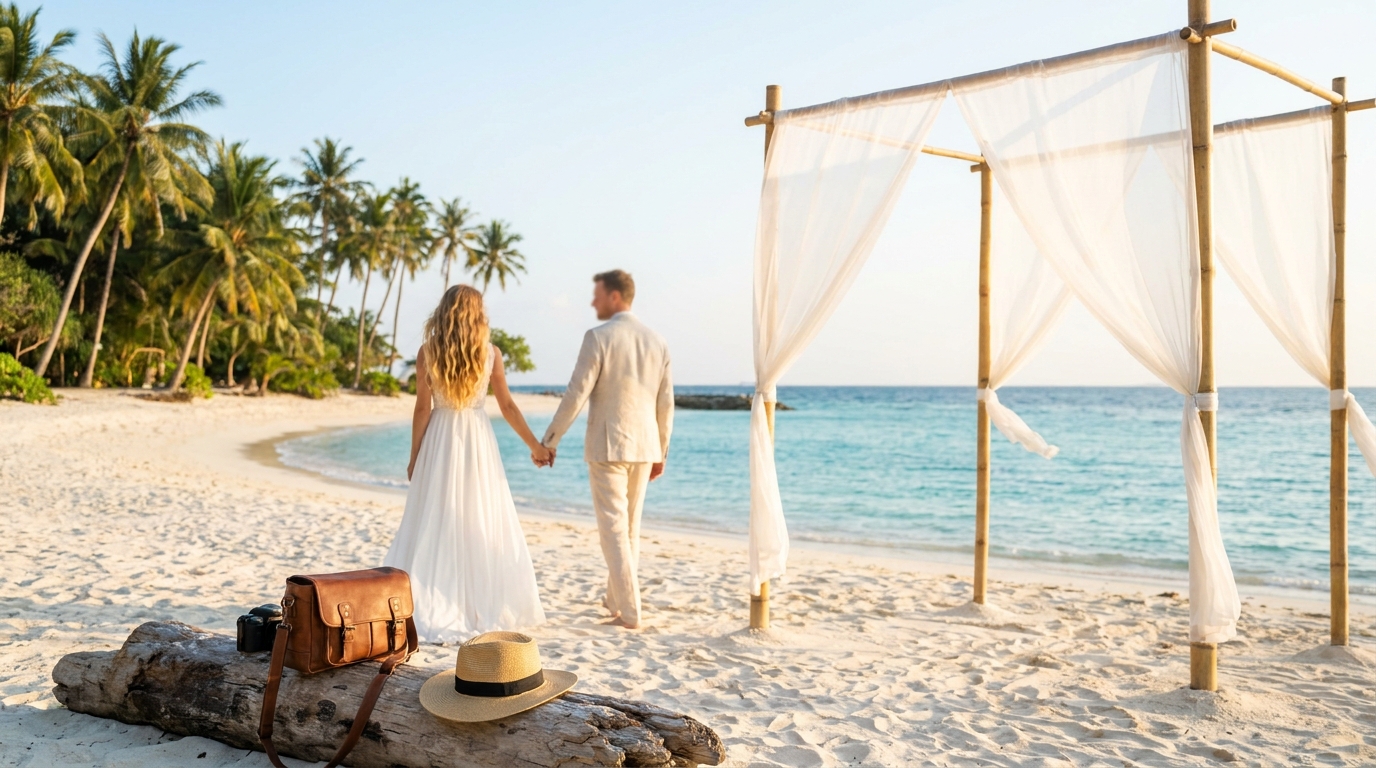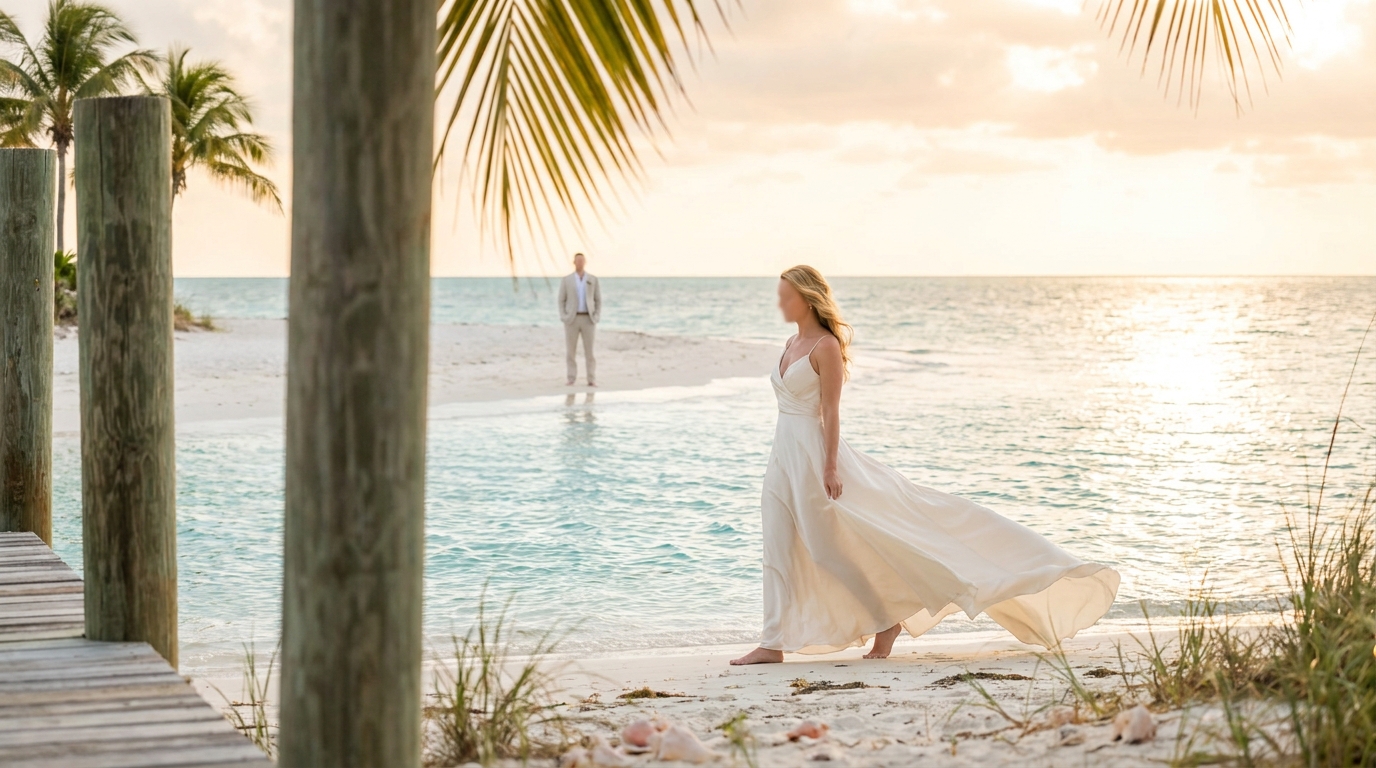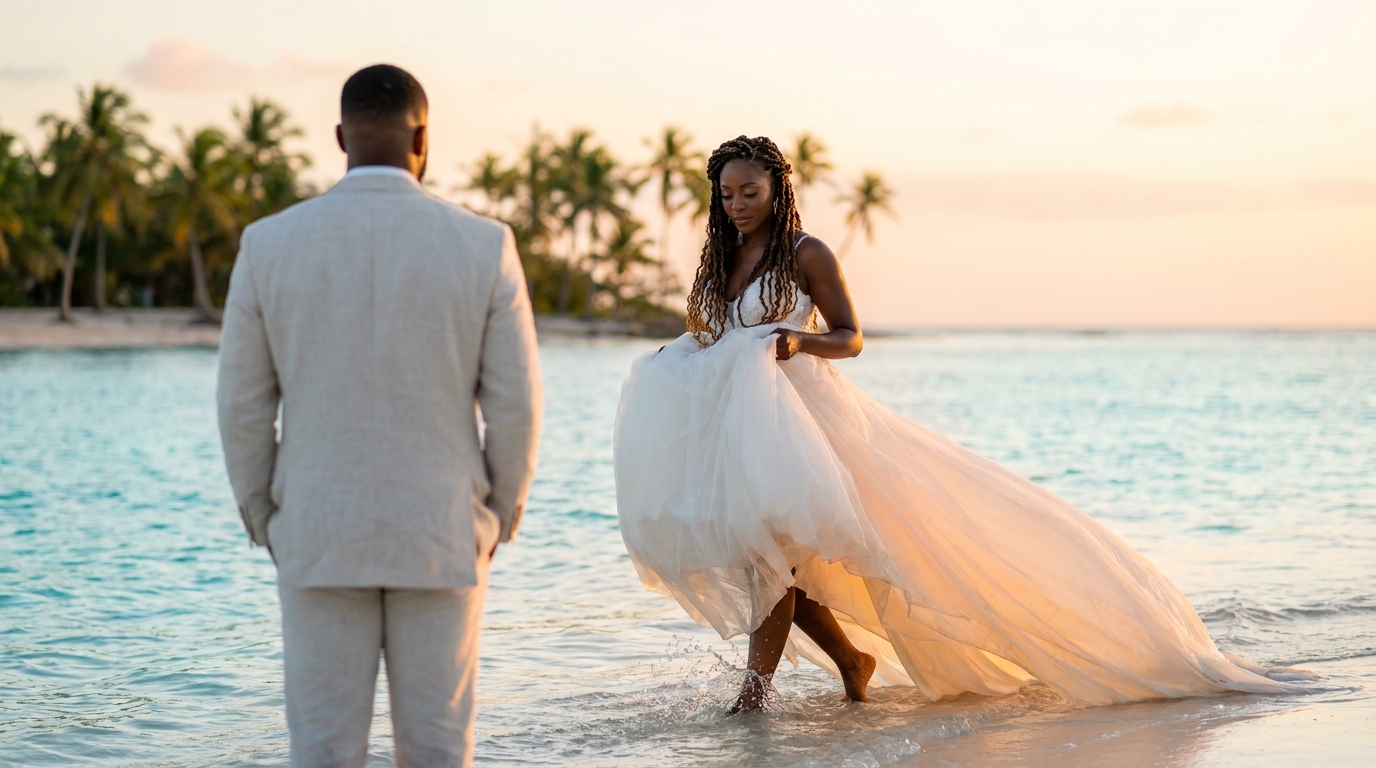
What Is a Trash the Dress Photo Shoot?
A trash the dress shoot is a post-wedding portrait session where you wear your wedding attire in adventurous or messy settings, prioritizing dramatic images over dress preservation.
Despite the provocative name, a trash the dress photo shoot rarely involves literal destruction. You wear your wedding gown into environments like ocean surf, muddy fields, waterfalls, or abandoned buildings, and a photographer captures the contrast between formal bridal attire and wild, uncontrolled settings. The style is shot in a fashion or glamour photography approach, and it’s also known as “fearless bridal” or “rock the frock” depending on where you encounter it. [Source: Wikipedia]
Popular locations range from beaches and lakes to rooftops, garbage dumps, and city streets. The concept is often framed as a symbolic transition from bride to wife rather than simply preserving a gown. [Source: Wikipedia]
Where the Concept Came From
The trend is believed to have originated around 2001 in Las Vegas, credited to photographer John Michael Cooper. [Source: Wikipedia] A CBS News report later described it as a growing offbeat phenomenon, quoting a photographer who said, “It is just taking it in a place that you wouldn’t normally go.” Since then, the concept has spread globally, becoming especially popular at destination wedding locations where dramatic natural backdrops are already part of the scenery.
What Actually Happens to the Dress
Here’s the part that surprises most people: in the vast majority of sessions, the dress survives. One source claims that in 99% of cases, dresses used in these shoots are still perfectly reusable afterward. [Source: Wikipedia] Many sessions only get the gown wet or sandy, and professional cleaning can restore most fabrics to wearable condition. More extreme shoots involving mud, paint, tearing, or cutting can permanently damage the dress, but that level of destruction is a deliberate choice, not a default outcome.
Trash the Dress vs. Day-After Session: What’s the Difference?
The terms overlap, but they’re not identical. A “day-after session” is any post-wedding photo shoot, which might take place in a garden, a city street, or a quiet beach with no mess involved. A trash the dress shoot specifically involves environmental interaction: water, dirt, paint, or other elements that create visual drama and risk to the gown. If your photographer offers a “day-after” package, clarify whether it includes the adventurous, messy elements you’re picturing or just a relaxed portrait session in your dress.
Why Do Couples Do Trash the Dress Shoots?
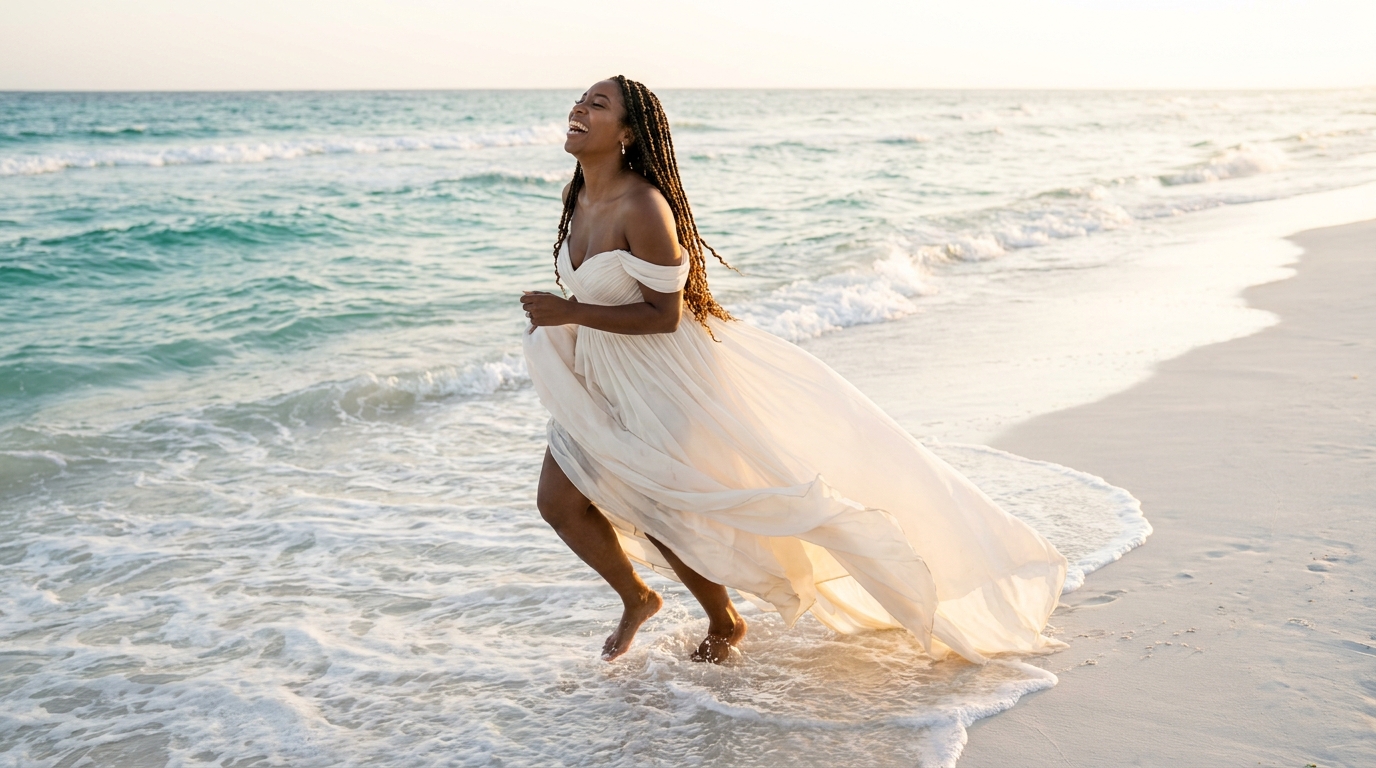
Couples choose trash the dress shoots to create adventurous, artistic photos free from wedding-day constraints while extending the value of a dress they’ll never wear again.
The Psychological Appeal: Freedom After Formality
Your wedding day is structured. There’s a timeline, a guest list, a ceremony, and a reception. Every photo moment is squeezed between events. A trash the dress session strips all of that away. There’s no schedule pressure, no worried mother-in-law watching you wade into the ocean, and no concern about keeping everything pristine for the next event. The result is often a more relaxed, uninhibited version of you and your partner.
Getting More Value From a Dress You Wore Once
The average American bride spends about $1,500 on a wedding dress. [Source: Preciouspicspro] After six or so hours of wear, that dress typically goes into a preservation box or the back of a closet. A trash the dress shoot gives you a second use for that investment, producing images that look nothing like your formal wedding portraits.
Creating Images Your Wedding Day Timeline Didn’t Allow
Wedding timelines rarely accommodate the kind of photos a trash the dress session produces. You’re not going to wade into the Caribbean during cocktail hour. You’re not going to roll through desert sand before your ceremony. The post-wedding session exists specifically for the shots your destination wedding timeline couldn’t accommodate.
What Does a Trash the Dress Photo Shoot Cost?
Trash the dress shoots typically cost $300 to $1,600 depending on photographer rates, location complexity, travel requirements, and whether you’re booking a standalone session or an add-on.
Photographer Fees: What You’ll Actually Pay
When booked as an add-on with your wedding photographer, sessions typically run $300 to $800 and include 1 to 2 hours of shooting with 30 to 50 edited images. [Source: Preciouspicspro] Standalone bookings from independent photographers fall in a similar range, with some offering sessions as low as $250 when combined with a wedding package. More specialized setups, like underwater shoots requiring housing equipment, run $700 to $1,200. In destination markets, prices can climb to $1,000 to $1,600. [Source: Preciouspicspro]
| Session Type | Typical Cost Range | What’s Usually Included |
|---|---|---|
| Budget/basic outdoor session | $190–$400 | 1 hour, 20–30 edited images, single location |
| Mid-range add-on session | $300–$800 | 1–2 hours, 30–50 edited images, one or two locations |
| Premium/destination/underwater | $1,000–$1,900+ | 2+ hours, 50+ images, specialized equipment, multiple locations |
Costs vary by location, photographer experience, and session complexity. Prices reflect general industry ranges.
Location Costs and Permit Requirements
Some locations are free. A public beach at sunrise costs nothing beyond getting there. But national parks, private estates, cenotes, and resort properties may require permits or access fees. These can range from nominal amounts to several hundred dollars depending on the venue. Always confirm permit requirements before your shoot date.
Find Your Wedding Venue & Guest Hotels
Compare resort rates, read verified guest reviews, and book with free cancellation. Filter by wedding-friendly properties at your destination.
Free cancellation on most properties. No booking fees.
Search HotelsTravel and Logistics: When You’re Shooting Away From Home
If you’re already at your destination wedding location, travel costs are essentially zero for the shoot itself. That’s one of the strongest arguments for booking a trash the dress session while you’re still on-site. If you plan a separate trip months later, you’re adding flights, accommodations, and potentially a new photographer fee on top of the session cost.
Hidden Costs: Dress Cleaning, Props, and Styling
A hair-and-makeup refresh can cost about $100 to $200. [Source: Theperfectwedding] Props like colored smoke bombs, paint, or extra florals add another $50 to $150 depending on your vision. If you attempt professional cleaning afterward, expect to pay $150 to $300 for a standard bridal gown cleaning, though results aren’t guaranteed after heavy exposure to salt water, mud, or dye.
When Should You Schedule a Trash the Dress Shoot?
Most couples schedule trash the dress shoots one to three days after their wedding while still at their destination, though some wait weeks or months to plan a separate trip.
Day-After Shoots: Pros and Cons of Staying at Your Destination
Booking the session one or two days after your ceremony is the most practical option for destination wedding couples. Your photographer already knows the area, your dress is with you, and you’re already in vacation mode. The downside: you might be exhausted from the wedding, and weather delays can eat into limited remaining travel days.
Honeymoon Sessions: Combining Romance and Adventure
If your honeymoon takes you somewhere visually dramatic, a trash the dress session during that trip can work well. You’ll need to pack the dress (or ship it ahead), and you’ll need a local photographer unless your wedding photographer travels with you. Browse honeymoon destinations to find locations that double as stunning shoot backdrops.
Months Later: Planning a Dedicated Trip for the Shoot
Some couples wait months and plan a dedicated trip around the shoot. This gives you time to research locations, find the right photographer, and build excitement. The trade-off is added cost, since you’re paying for travel, accommodations, and a new photographer relationship from scratch.
What Are the Best Locations for Trash the Dress Photos?
The best trash the dress locations offer dramatic natural elements like ocean surf, waterfalls, desert landscapes, or urban ruins that create visual contrast with a white wedding dress.
Ocean and Beach Settings: The Most Popular Choice
Beaches remain the most popular trash the dress setting for good reason. The combination of crashing waves, golden light, and wet fabric clinging to movement produces inherently dramatic images. Destinations like Cancun, Tulum, and Hawaii offer warm water and consistent light. Be aware that salt water can stain certain fabrics, though professional cleaning often resolves this.
Waterfalls, Rivers, and Cenotes
Cenotes in Mexico’s Yucatan Peninsula have become iconic trash the dress locations. The turquoise water, limestone walls, and filtered light create an otherworldly backdrop. Waterfalls and rivers offer similar drama. Note that cenote minerals may stain fabric, and some cenotes require permits or have restricted photography hours.
Desert and Mountain Landscapes
Dry environments create a different kind of contrast. A white dress against red rock, sand dunes, or volcanic terrain produces striking images without any water damage. These shoots tend to be gentler on the dress itself, making them a good option if you want dramatic photos but hope to clean the gown afterward.
Urban and Industrial Backdrops
Abandoned buildings, graffiti walls, and industrial sites offer gritty contrast to bridal attire. These settings work well for couples who want an edgier aesthetic. Always verify that you have legal access to any urban location, and bring sturdy shoes for navigating rough terrain.
Pools and Underwater Sessions
Underwater trash the dress photography produces some of the most visually arresting images in the genre, but it requires specialized equipment and expertise. Expect to pay $700 to $1,200 for underwater sessions due to the housing equipment and technical skill involved. [Source: Preciouspicspro] One photographer offers a $390 session fee that includes pool rental and design consultation. [Source: Preciouspicspro]
How Do You Find the Right Photographer for a Trash the Dress Shoot?
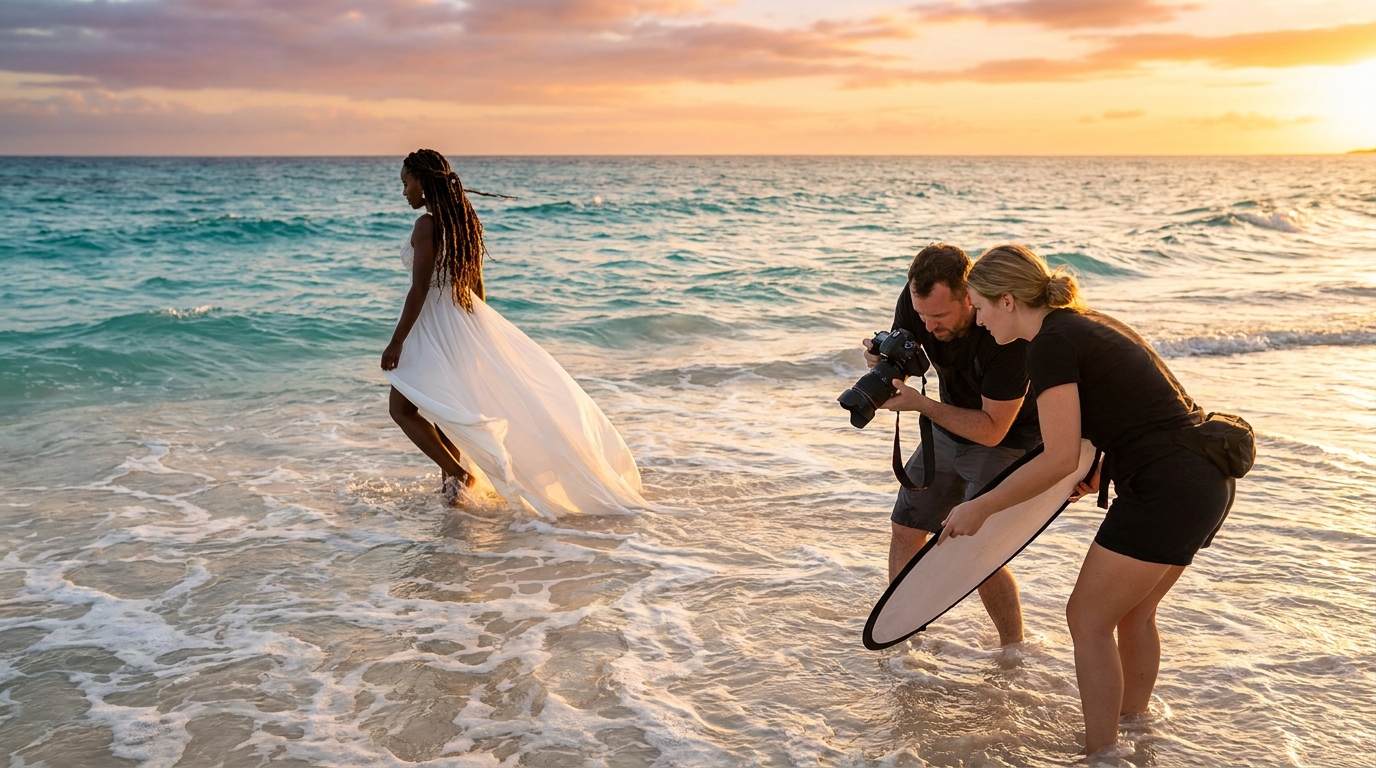
Look for photographers whose portfolios show movement, dramatic lighting, and environmental interaction, not just posed portraits, and who explicitly offer trash the dress or adventure sessions.
What to Look for in a Trash the Dress Portfolio
The photographer’s existing work should show comfort with unpredictable conditions. Look for images where subjects are in motion, where water or wind is actively interacting with clothing, and where lighting feels intentional rather than accidental. If every image in their portfolio looks like a standard portrait session with a wet dress, they may not have the creative vision you’re after.
Questions to Ask Before Booking
Before signing a contract, ask: How many trash the dress sessions have you shot? Do you scout locations in advance? What happens if weather forces a reschedule? How many edited images are included? Do you carry liability insurance for water-based shoots? These questions help you gauge both experience and professionalism.
Should You Use Your Wedding Photographer or Hire Someone New?
Your wedding photographer already knows you, your angles, and your comfort level. Many destination wedding photographers offer trash the dress sessions as add-ons at better rates than booking separately months later. If you’re considering a Bali wedding, for example, learning how to find the right photographer early means you can discuss the add-on session during initial consultations. However, if your wedding photographer doesn’t specialize in adventure or environmental shoots, hiring someone with specific trash the dress experience may produce better results.
Red Flags: Photographers Who Don’t Understand the Concept
Be cautious of photographers who treat a trash the dress session like a standard portrait shoot that happens to be near water. If they can’t articulate a creative direction, don’t have location-specific experience, or seem uncomfortable with the logistics of shooting in water or mud, keep looking.
What Should You Wear and Bring to a Trash the Dress Shoot?
Wear your wedding dress or a replica, bring waterproof makeup and towels, and consider props like colored smoke bombs or florals that enhance the visual drama.
Dress Considerations: Original vs. Replica
You don’t have to use your actual wedding dress. A second-hand gown can cost about $200 to $300 and gives you the same visual effect without risking your original. [Source: Helenehavard] If you do use your original dress, choose light fabrics like tulle, chiffon, organza, or lace. These photograph beautifully in water and allow for movement. Heavy satin and structured ball gowns become extremely heavy when wet and can limit your mobility. [Source: Helenehavard]
Hair and Makeup: What Survives Water and Wind
Waterproof makeup is non-negotiable for any session involving water. Waterproof mascara, setting spray, and long-wear foundation will hold up better than standard products. For hair, plan for it to get wet and messy. Loose waves or a simple style that looks intentional when wet works better than an elaborate updo that falls apart on contact with water. Hair ties and clips for between-shot adjustments are essential.
Props That Actually Photograph Well
Colored smoke bombs, paint powder, fresh florals, and fabric streamers all photograph well in outdoor settings. If you’re shooting near water, consider biodegradable options to minimize environmental impact. Some photographers and couples now specifically opt for biodegradable props or controlled settings to avoid leaving materials in natural waterways or cenotes.
What Your Partner Should Wear
Your partner’s outfit should complement the setting without competing with the dress. For beach and water shoots, linen pants and a white or neutral shirt work well. For urban or desert settings, darker clothing creates contrast. The key is choosing something your partner is comfortable getting dirty or wet, since they’ll likely be in the same environment you are.
What Happens to Your Dress After a Trash the Dress Shoot?
After a trash the dress shoot, most dresses are dirty but salvageable. Some couples clean them, others donate them, and a few keep them in their post-shoot state as a memento.
Can You Clean a Trashed Dress? What Actually Works
Professional cleaning can restore most gowns to wearable condition after beach or water-based sessions. [Source: Wikipedia] Salt water, sand, and cenote minerals may stain fabric, but professional care handles the majority of cases. Paint, mud, and dye are harder to remove and may leave permanent marks. If preserving the dress matters to you, discuss the planned environment with your photographer and a bridal cleaning specialist before the shoot.
Donation Options: Art Projects and Charitable Uses
Some charity organizations can clean “just about anything” and welcome used dresses for donation. [Source: Wikipedia] Dresses that are too damaged for rewear can be repurposed into quilts, baby gowns, or art installations. One source notes that unusable dresses can be cut up for quilts that sell for several hundred dollars. [Source: Wikipedia]
Keeping It as a Memory: Storage and Display Ideas
Some couples keep the dress in its post-shoot state, sand stains and all, as a physical reminder of the experience. Shadow boxes, garment displays, or even framing a section of the fabric alongside a print from the shoot are all options. There’s no rule that says a wedding dress has to be pristine to be meaningful.
Is a Trash the Dress Shoot Worth It?
A trash the dress shoot is worth it if you value adventurous, artistic photos over dress preservation, have a clear creative vision, and can budget $300 to $1,600 for the session.
When It Makes Sense: Who Should Do This
This shoot makes the most sense if you want bold, artistic photos that look very different from standard wedding portraits. It’s especially compelling if you’re already at a destination with dramatic scenery, your photographer offers it as an affordable add-on, or you’re using a second dress you don’t intend to resell. Couples who thrive on spontaneity and aren’t emotionally attached to preserving their gown tend to love the results.
When to Skip It: Scenarios Where It’s Not Worth the Cost
Skip it if you want to keep the dress pristine for resale, preservation, or future family use. Skip it if you’re strongly attached to the gown emotionally and would regret any damage. And critically, be cautious with water-based shoots. There are documented tragedies tied to water-based trash the dress sessions, including a bride in Quebec who drowned during a shoot. [Source: Preciouspicspro] Water shoots carry real risk, and safety planning is essential.
What Couples Say After: Satisfaction Data
Formal satisfaction surveys for trash the dress shoots are limited, but industry practitioners consistently report high satisfaction among couples who go in with clear expectations. The couples who are happiest tend to be those who treated it as a calculated creative decision rather than an impulse, chose a photographer with relevant experience, and weren’t worried about the dress’s condition afterward.
How Do You Plan a Trash the Dress Shoot for a Destination Wedding?
For destination weddings, book your trash the dress shoot one to two days after the ceremony while still on location, confirm your photographer offers extended sessions, and arrange permits before your wedding day.
Coordinating With Your Destination Wedding Timeline
The simplest approach is to build the shoot into your existing travel schedule. If you’re already spending five to seven days at your destination, blocking one morning for a trash the dress session is straightforward. Discuss this with your photographer during initial planning so it’s part of your contract, not an afterthought. Understanding your full destination wedding costs upfront helps you budget for the add-on without surprises.
Working With Resort Photographers vs. Independent Vendors
Resort photographers are convenient but may not specialize in adventure or environmental shoots. Independent photographers who know the local landscape often produce more creative results because they’ve scouted locations, understand tidal patterns, and know the best light windows. Ask to see trash the dress work specifically, not just general wedding portfolios.
Permit and Access Requirements at Popular Destinations
Cenotes in Mexico, national parks in Hawaii, and temple grounds in Bali may all require photography permits. Your photographer should handle this, but confirm it’s included in their fee. Some locations restrict commercial photography to certain hours or charge access fees that can add $50 to $300 to your total cost. Requirements change, so verify current rules close to your travel date.
Packing and Transporting Your Dress for the Shoot
If you’re doing the shoot at your wedding destination, your dress is already there. Pack a garment bag for transport to the shoot location, bring a robe or coverup for between shots, and have dry clothes and towels waiting. If you’re using a second-hand dress, consider shipping it to your hotel ahead of time to avoid carrying an extra gown through airports. Budget for styling touch-ups on the day of the shoot, since a hair-and-makeup refresh can run $100 to $200. [Source: Theperfectwedding]
Ready to plan your destination wedding? Browse our destination guides to find the perfect location for both your ceremony and your trash the dress adventure, from Bali’s waterfalls to Tulum’s cenotes.
Frequently Asked Questions
Here are the most common questions couples ask when considering a trash the dress photo shoot.
Does a trash the dress shoot actually ruin the dress?
Not usually. One source estimates that in 99% of cases, dresses are still reusable after the shoot. [Source: Wikipedia] Beach and water sessions typically leave the gown dirty but cleanable. Only extreme shoots involving paint, tearing, or cutting cause permanent damage.
How much does a trash the dress shoot cost?
Expect to pay $300 to $800 for a mid-range session with 30 to 50 edited images. Underwater or destination shoots can run $1,000 to $1,600. [Source: Preciouspicspro] Costs vary by photographer, location, and session length.
When is the best time to schedule a trash the dress shoot?
One to three days after your wedding is ideal, especially if you’re at a destination. Your photographer is available, your dress is on-site, and you’re already relaxed. Some couples wait months, but that adds travel costs and logistical complexity.
Can I use a second-hand dress instead of my wedding dress?
Absolutely. A second-hand gown can cost about $200 to $300 and gives you the same visual impact without risking your original. [Source: Helenehavard] Many couples prefer this approach for peace of mind.
Are water-based trash the dress shoots safe?
They can be, but they carry real risk. There are documented incidents of serious injury and drowning during water-based sessions. Always choose a photographer experienced with water shoots, wear appropriate footwear, check tidal and current conditions, and never shoot alone in open water.
Do I need to bring my partner to the shoot?
It’s your choice. Many shoots feature the couple together, but solo sessions are equally common and can be just as dramatic. Discuss your vision with your photographer so they can plan compositions accordingly.
What fabrics work best for a trash the dress shoot?
Lightweight fabrics like tulle, chiffon, organza, and lace photograph beautifully in water and allow for movement. Heavy satin and structured ball gowns become very heavy when wet and restrict mobility. [Source: Helenehavard]
Can I clean the dress after the shoot?
In most cases, yes. Professional bridal cleaning can handle salt water, sand, and light staining. Paint, dye, and mud are harder to remove. Talk to a bridal cleaning specialist before the shoot if you want to attempt restoration afterward.