What Does It Mean to Renew Your Vows?
A vow renewal is a ceremony where married couples publicly reaffirm their commitment to each other, with no legal requirements or paperwork involved.
When you renew vows, you’re choosing to stand in front of your partner, and sometimes your loved ones, to say: this marriage still matters to us. The University of Oregon describes it as “a ceremony where an already-married couple reaffirms their love and commitment,” emphasizing that it is symbolic rather than legally binding. [Source: University of Oregon] There’s no new marriage license, no legal status change, and no government office involved. It’s purely about meaning.
It’s Not a Legal Event (and That’s the Point)
The fact that a vow renewal ceremony carries no legal weight is actually what makes it so freeing. You don’t need to file paperwork, meet state requirements, or involve any specific type of officiant. Wedding expert Shauna Wise, quoted by The Knot, describes it as “a ceremony for a married couple who would like to recommit themselves to each other,” usually followed by dinner or a reception with loved ones. [Source: The Knot] Because there are no rules, you get to build the entire experience around what feels right for your relationship.
Why Couples Choose to Renew Vows
The reasons are as varied as the couples themselves. Some want to celebrate a milestone anniversary. Others want to honor a journey through illness, loss, or hardship. And some simply want the wedding-style celebration they never had the first time around. A qualitative study from the University of Nebraska-Lincoln found that participants described vow renewals as both a public recognition of marriage and a private expression of commitment and love. Whatever the motivation, the common thread is intention: choosing your partner again, on purpose.
When Should You Renew Your Vows?
There’s no required timeline. Couples renew vows at milestone anniversaries, after overcoming challenges, or simply when they feel called to recommit.
A survey cited by Robbins Brothers found that 52% of respondents said the timing is up to the couple’s discretion, while 38% named 10 years as the ideal time. [Source: Inside Weddings] That means the majority of people believe there’s no single “right” moment.
Common Anniversary Milestones
The most frequently cited milestones are the 5th, 10th, 25th, and 50th anniversaries. In the same Robbins Brothers survey, 51% said they would renew vows on their anniversary, and 29% said around their anniversary. [Source: Robbins Brothers] The 10-year mark is the single most popular “classic” milestone, but there’s nothing magical about any specific number.
After Major Life Events or Challenges
Surviving cancer, navigating a rough patch in the marriage, recovering from grief, welcoming a blended family. These are all reasons couples choose to renew their commitment. Multiple expert guides explicitly state there is no minimum waiting period and no required backstory. The event itself is the statement: we’re still here, and we’re choosing this.
When You Eloped or Had a Small Wedding the First Time
Maybe you got married at a courthouse during a lunch break. Maybe a pandemic shrunk your guest list to five people. A vow renewal gives you the chance to have the celebration you originally envisioned, surrounded by the people who matter most, without redoing the legal part.
Do You Need a Reason to Renew Your Vows?
No. You don’t need a milestone anniversary or dramatic backstory. Wanting to celebrate your marriage is reason enough.
The data backs this up. In one survey, 39% of couples said they plan to renew their vows, 52% said maybe, and only 9% said no. [Source: Robbins Brothers] That’s an overwhelming majority who are at least open to the idea. The same survey found that 24% said vow renewals are “very important,” 23% said “important,” and 25% said “somewhat important.” Renewing wedding vows isn’t niche or unusual. It’s something most married couples have at least considered.
If you’ve ever thought, “Is this silly? Do we really need to do this?” the answer is: you don’t need to. You get to. There’s a difference.
What’s the Difference Between a Vow Renewal and a Wedding?
A vow renewal has no legal weight, no marriage license, and typically skips traditions like giving away the bride, bachelor/bachelorette parties, and gift registries.
What You Skip: Traditions That Don’t Apply
Because you’re already married, several wedding conventions become irrelevant. There’s no processional where someone “gives you away.” There’s no engagement period, no bridal shower, and typically no gift registry. Bachelor and bachelorette parties don’t apply. You also skip the legal officiant requirement entirely.
Build Your Wedding Registry on The Knot
One universal registry that pulls items from any store, plus cash funds for the honeymoon, the down payment, or the dream Caribbean elopement. Free to set up.
Trusted by millions of couples. Pulls from 100+ retailers in one list.
Start Your RegistryWhat You Keep: Elements That Still Work
Plenty of wedding elements translate beautifully to a vow renewal ceremony. You can exchange rings (new ones or the originals), walk down an aisle, have a first dance, cut a cake, and host a reception. In fact, 69% of survey respondents said they would want a reception as part of their vow renewal. [Source: Robbins Brothers] The key difference is that every element is optional. You include what resonates and leave the rest behind.
How Formal Should a Vow Renewal Be?
Vow renewals range from intimate backyard gatherings to full-scale destination ceremonies. Formality is entirely your choice and should reflect your relationship, not external expectations.
Intimate and Low-Key Options
A private renewal can be as simple as the two of you reading vows on your back porch with a bottle of wine. Some couples bring their kids, set up a few candles, and call it done. In Orange County, California, one source notes that a symbolic renewal ceremony through the county clerk costs as little as $28.
Mid-Size Celebrations
A dinner party with 20 to 40 guests, a short ceremony, and a reception is one of the most popular formats. A wedding consultant quoted by industry sources noted that vow renewals “generally have 60 to 75 people as opposed to weddings of 200 people,” suggesting most couples naturally scale down.
Full-Scale Destination or Resort Events
Wedding Hotels in Bali
Compare all-inclusive resorts and boutique hotels in Bali. Read verified reviews, check wedding-friendly amenities, and book with free cancellation.
Free cancellation on most properties. No booking fees.
Search Bali HotelsIf you want the full experience, destination vow renewals at resorts in Cancun, Bali, Santorini, or Jamaica offer ceremony packages that handle the logistics for you. Wedgewood Events reports that vow renewals have seen a 25% increase in popularity over the past decade, and about 80% of couples write personalized vows for the occasion. If you’re considering a destination celebration, reviewing destination wedding costs can help you benchmark what to expect.
Who Officiates a Vow Renewal?
Anyone can officiate a vow renewal. A friend, family member, religious leader, or professional celebrant all work, since there’s no legal requirement for credentials.
The Knot confirms that couples “don’t need an officiant” for a vow renewal because it is not legally binding. [Source: The Knot] Common choices include a close friend, an adult child, a sibling, the original best man or maid of honor, or the same officiant from your wedding day. If the renewal takes place in a religious setting, the faith community may have its own guidelines about who leads the ceremony, but that’s a denominational preference, not a legal requirement.
What Do You Actually Say During a Vow Renewal?
You can reread your original vows, write new ones reflecting your journey together, or speak from the heart without a script. There’s no required format.
Reaffirming Your Original Vows
Some couples find deep meaning in repeating the exact words they said on their wedding day. The promises hit differently after years of actually living them. “For better or worse” carries more weight when you’ve experienced both.
Writing New Vows That Reflect Your Journey
This is the most popular approach. In the Robbins Brothers survey, 73% preferred to create new vows rather than restate the original ones. [Source: Robbins Brothers] New vows give you space to acknowledge what you’ve been through, what you’ve learned, and what you’re committing to going forward.
Speaking Spontaneously
If scripted words feel too formal, speaking from the heart is perfectly valid. Some couples simply look at each other and say what comes to mind. The absence of legal formality means there’s no required phrasing, no “repeat after me,” and no wrong way to do it.
Who Pays for a Vow Renewal?
The couple typically pays for their own vow renewal, as it’s a personal celebration they’re hosting for themselves and their guests.
One planning guide states that the couple pays in 87% of renewals, a sharp contrast with first weddings, where parents contribute 52% on average. [Source: Vow Renewal Planner] This makes sense. By the time you’re renewing vows, you’re usually financially established and hosting the event on your own terms. That said, family members sometimes offer to contribute, especially for milestone anniversaries like a 50th. There’s no etiquette rule against accepting help.
Do Guests Bring Gifts to a Vow Renewal?
Gifts aren’t expected at vow renewals. Most couples explicitly request no gifts, though some guests may bring cards or small tokens of affection anyway.
Among 228 completed U.S. vow renewal cash gifts analyzed by one source, the median gift was $50, with the middle half falling between $40 and $100. The most common gift behavior was a card with a heartfelt message (42%), followed by flowers or wine (28%), cash or checks (18%), and personal or meaningful gifts (12%). [Source: Pocket Well App] If you want to signal “no gifts,” phrasing like “Your presence is our greatest gift” is widely used and well understood. No registry is typical for a vow renewal.
Where Should You Renew Your Vows?
Popular vow renewal locations include destination resorts, beaches, the venue where you originally married, your backyard, or anywhere personally meaningful to your relationship.
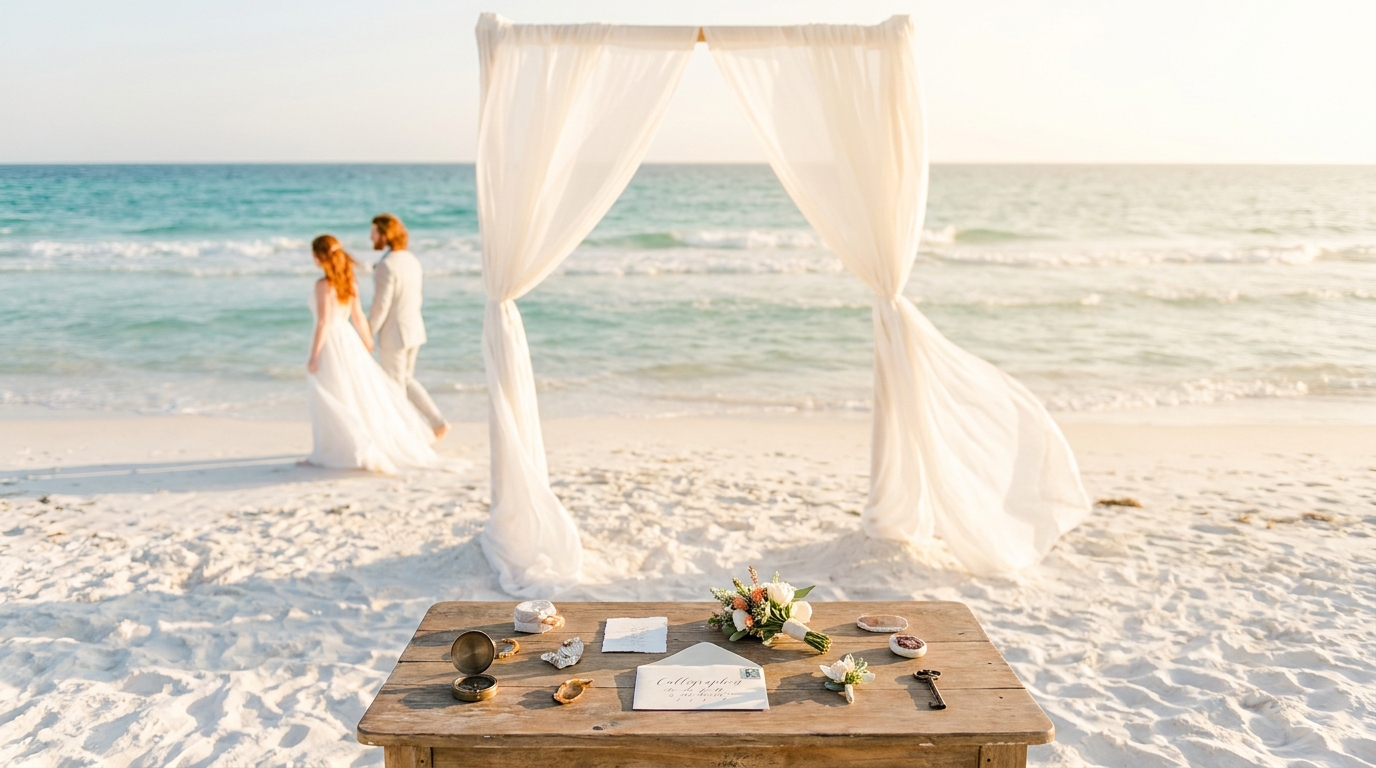
Destination Vow Renewals
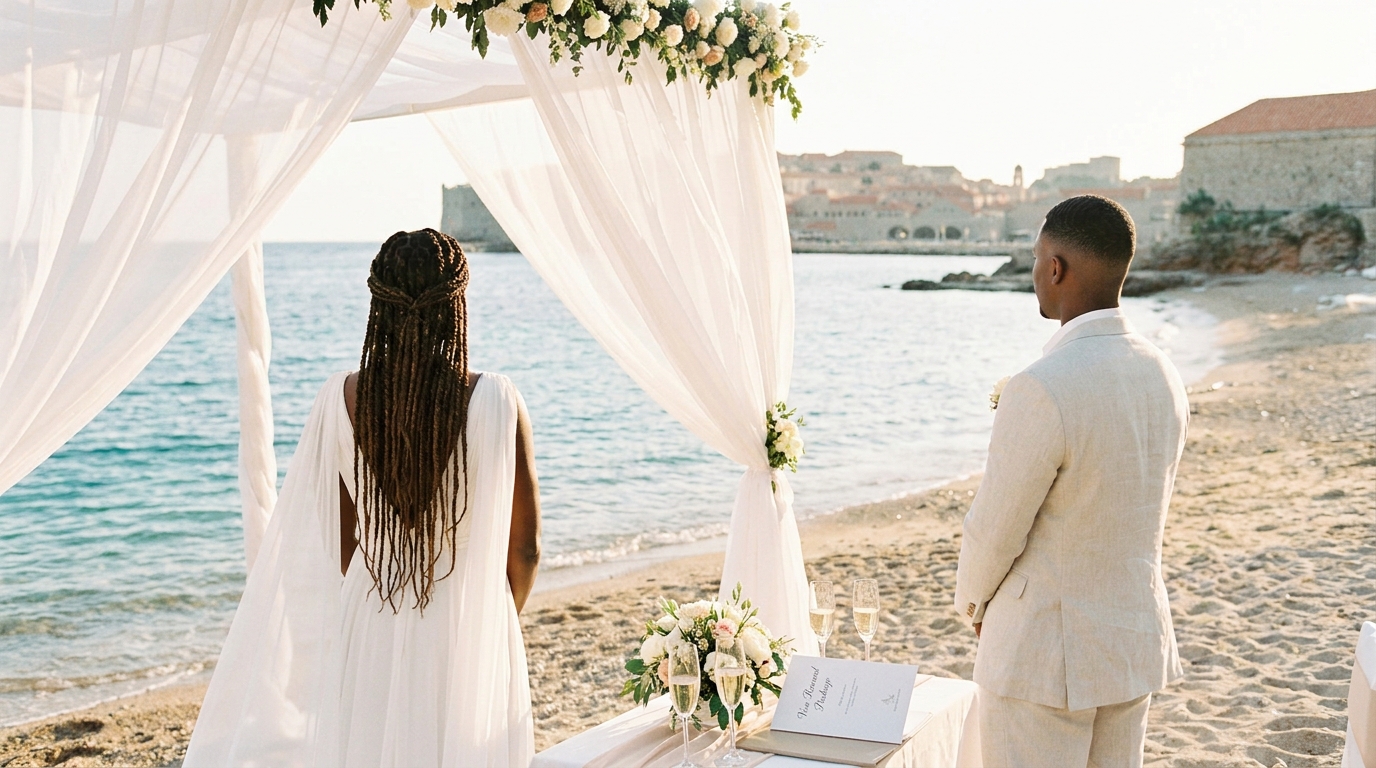
Caribbean resorts and beach destinations consistently rank among the most popular settings. Jamaica, Costa Rica, Bali, and Santorini all offer vow renewal packages that handle ceremony logistics, photography, and reception planning. Resort packages range widely. Sandals’ “ReTie the Knot” package starts from about $400 per couple, while luxury options like Four Seasons Bali at Jimbaran Bay start at approximately $15,700 for 30 guests. [Source: Era Away] For couples considering European destinations, all-inclusive vow renewal packages in Dubrovnik offer a stunning coastal alternative.
At Home or in Your Community
Your backyard, a favorite restaurant, a local park, or a community garden can all serve as meaningful venues. These options keep costs low and logistics simple, especially for intimate gatherings.
Where You Got Married the First Time
Returning to your original venue adds a layer of emotional resonance. Standing in the same spot, years later, with more life behind you, can be profoundly moving.
How Much Does a Vow Renewal Cost?
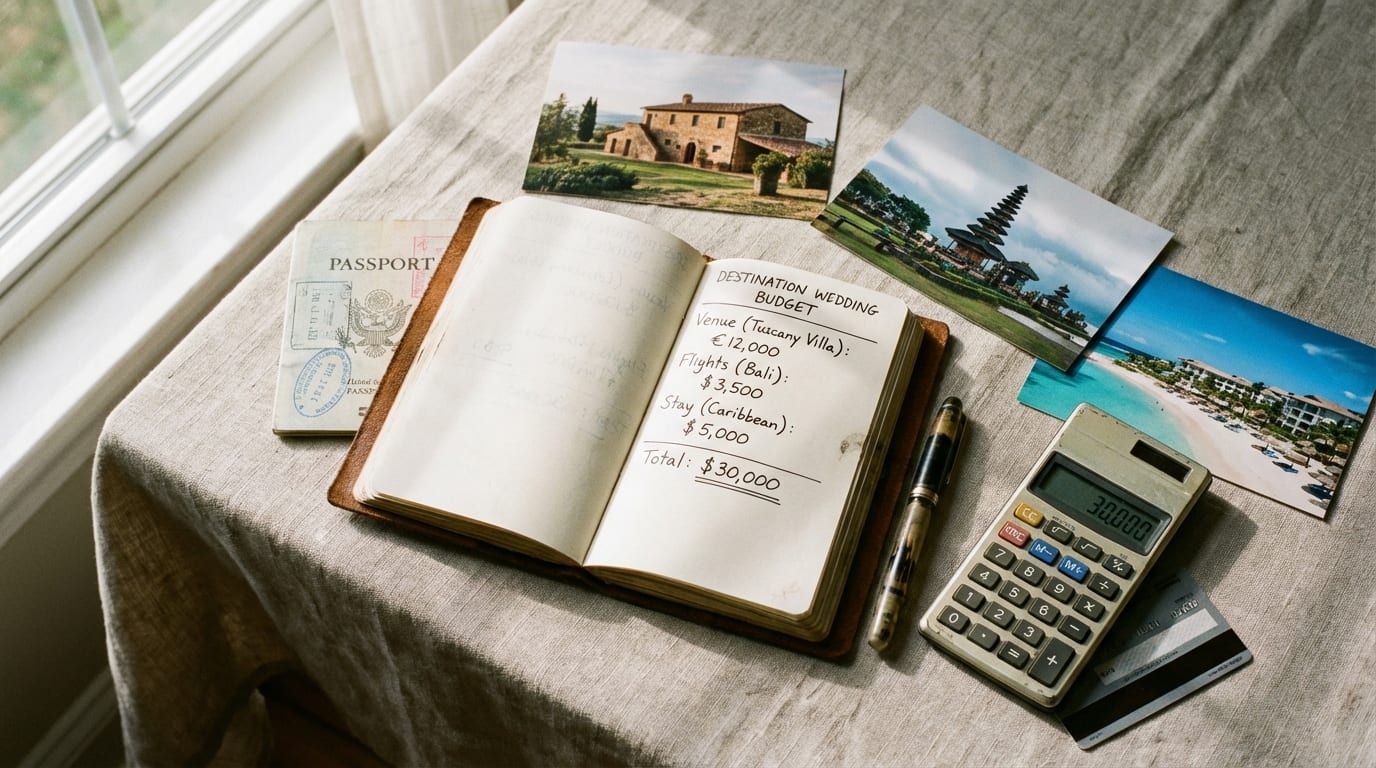
Vow renewal costs range from under $500 for intimate at-home ceremonies to $5,000 to $15,000 for destination events with guests, depending on location, guest count, and formality.
One destination wedding source cites the average cost of a vow renewal ceremony at $8,070, though that figure includes larger celebrations. [Source: With Joy] Vow renewals are typically 40% to 60% less expensive than comparable weddings because you skip items like engagement rings and some legal expenses. Costs vary significantly based on your choices, so treat these ranges as starting points rather than fixed budgets.
| Type of Renewal | Estimated Cost Range (USD) |
|---|---|
| Private ceremony (couple only, minimal setup) | Under $500 |
| Intimate ceremony with 10–20 guests | $1,000–$3,000 |
| Small hosted event with reception | $2,000–$7,500 |
| Mid-range celebration (30–60 guests) | $5,000–$10,000 |
| Destination or full-scale event | $10,000+ |
| Luxury resort package (e.g., Four Seasons Bali, 30 guests) | From $15,700 |
Budget-Friendly Options (Under $1,000)
If you already have attire and use a free or low-cost location like your home, a park, or a beach, a meaningful renewal can cost very little. Las Vegas-style chapel renewals start from about $159.
Mid-Range Celebrations ($2,000–$5,000)
A dinner-party format with catering, a photographer, flowers, and a small guest list fits comfortably in this range. This is where many couples land when they want something celebratory but not extravagant.
Destination or Full-Scale Events ($5,000–$15,000+)
Adding travel, resort venues, and larger guest counts pushes costs higher. If you’re planning a destination event, building a destination wedding timeline can help you stay organized and avoid last-minute price surges.
How Far in Advance Should You Plan a Vow Renewal?
Plan 3 to 6 months ahead for intimate local renewals, 6 to 12 months for destination events with travel logistics, or as little as a few weeks for very small private ceremonies.
The timeline depends entirely on scale. A private renewal on your anniversary next month? You can plan that over a weekend. A destination ceremony in Santorini with 30 guests? You’ll want at least 6 months for venue booking, travel coordination, and how to communicate with guests about logistics. The beauty of a vow renewal is that there’s no engagement period or wedding-industry timeline pressuring you.
What Should You Wear to Renew Your Vows?
Wear whatever feels right. Some couples choose formal attire like wedding gowns and suits, while others opt for cocktail dresses, linen suits, or casual beachwear.
There’s no dress code for a vow renewal ceremony. Some people wear their original wedding attire (if it still fits and feels right). Others use the occasion to wear something they love but never had a reason to put on. For beach or destination renewals, lightweight fabrics and relaxed silhouettes tend to work best. The only guideline: wear something that makes you feel like yourself.
Should You Invite the Same Guests as Your Wedding?
You can invite anyone you want. Original wedding guests, new friends and family, or just your children and closest loved ones all work.
In the Robbins Brothers survey, 68% of respondents said their ideal vow ceremony would be an intimate ceremony with close family and friends, while only 8% preferred a large ceremony with all family and friends. [Source: Robbins Brothers] There’s no obligation to invite everyone from your original wedding. Your relationships have evolved. Your guest list should reflect who matters to you now, not who was there then.
How to Make Your Vow Renewal Feel Personal (Not Performative)?
Focus on what matters to you as a couple. Skip traditions that don’t resonate, include your children or grandchildren, and design the ceremony around your actual relationship story.
Include Your Children or Grandchildren
If you have kids, giving them a role in the ceremony, whether reading a poem, holding flowers, or simply standing beside you, adds a dimension your original wedding couldn’t have had. Your family didn’t exist yet on your wedding day. Now it does. Let that be part of the story.
Acknowledge Your Journey (the Hard Parts Too)
The most meaningful vow renewals don’t pretend everything has been easy. They acknowledge the hard seasons, the growth, the moments you almost gave up but didn’t. That honesty is what separates a vow renewal from a performance. It’s not about looking perfect. It’s about being real.
Skip What Doesn’t Serve You
If bouquet tosses feel silly, skip them. If a formal processional doesn’t match your vibe, walk in together. If you’d rather have a taco truck than a plated dinner, do that. The entire point of renewing wedding vows is that you’ve already done the traditional version. This time, you get to do it your way.
Ready to plan a vow renewal that feels true to your relationship? Explore destination vow renewal packages in Cancun, Bali, Santorini, and beyond, or start with our destination wedding planning guide to map out your celebration.
Frequently Asked Questions
Here are answers to the most common questions couples ask when considering a vow renewal ceremony.
Is a vow renewal legally binding?
No. A vow renewal is entirely symbolic. It does not require a marriage license, does not change your legal marital status, and involves no government paperwork. You’re already married. This ceremony is about meaning, not legality.
How long after getting married can you renew your vows?
There’s no minimum or maximum waiting period. Some couples renew after 5 years, others after 50. In one survey, 52% of respondents said the timing is entirely up to the couple’s discretion. [Source: Robbins Brothers]
Do you need an officiant for a vow renewal?
No. Since a vow renewal isn’t a legal ceremony, anyone can lead it. A friend, family member, adult child, or professional celebrant all work. You can even lead the ceremony yourselves.
Is it tacky to have a vow renewal?
Not at all. Nearly 39% of married couples say they plan to renew their vows, and another 52% say maybe. It’s a widely embraced tradition. The key is making it personal rather than performative. Focus on your relationship, not on impressing anyone.
Should you register for gifts at a vow renewal?
Most etiquette sources say no. A gift registry can feel out of place at a vow renewal since you’re an established household. If guests ask, suggest their presence is enough. The most common guest gesture is a heartfelt card (42% of the time) rather than a traditional gift.
How much does a simple vow renewal cost?
A simple, private vow renewal can cost under $500 if you use a free location and already have attire. Small hosted events typically run $2,000 to $7,500, while destination celebrations start around $10,000. Costs vary widely based on location, guest count, and formality.
Can you wear a wedding dress to a vow renewal?
Absolutely. Some couples wear their original wedding attire, others buy something new, and many choose something more casual. There’s no dress code. Wear whatever makes you feel like the best version of yourselves.
What’s the best destination for a vow renewal?
Popular choices include Caribbean resorts in Jamaica and Cancun, tropical settings in Bali and Costa Rica, and coastal European locations like Santorini. Resort packages range from about $400 per couple for basic ceremonies to $15,700 and up for luxury experiences with guests.