What Is a Destination Wedding Welcome Letter?
A destination wedding welcome letter is a written note from you and your partner to traveling guests that provides logistical details, expresses gratitude, and sets expectations for the celebration ahead.
Think of it as part concierge guide, part love letter. Your guests have booked flights, arranged time off work, and possibly hired childcare to be there. A destination wedding welcome letter is the single document that ties together everything they need to know: when to show up, what to wear, where to eat, and who to call if something goes wrong. It’s not a formality. It’s a functional piece of your wedding planning that directly shapes how your guests experience the trip.
The best welcome letters typically run 300 to 500 words and cover a weekend schedule, dress codes, local recommendations, and emergency contacts. They’re delivered twice: once digitally before departure and once in print at the destination. That two-touch system, which we’ll break down below, is the difference between guests who arrive relaxed and guests who arrive texting you panicked questions at midnight.
Why Do Destination Weddings Need a Welcome Letter?
Destination weddings require welcome letters because guests are navigating unfamiliar locations, multiple events, and travel logistics, and a letter consolidates essential information while reducing confusion.
The Logistical Gap Most Couples Miss
Local weddings come with built-in context. Guests know the area, the weather, and the drive time. Destination weddings strip all of that away. Your guests are landing in a place they may never have visited, often in a different time zone, sometimes in a country where they don’t speak the language. The logistical gap between what you’ve planned and what they actually know is enormous.
Consider the numbers. Destination weddings typically host 50 to 70 guests, compared to about 116 at traditional weddings. [Source: Destify] That smaller guest count means each person’s experience matters more. And those guests are investing heavily: reports estimate guests spend about $1,400 on accommodation and $500 to $600 per person on flights, bringing total attendance costs near $2,000. [Source: Paradise Weddings]
A welcome letter for destination wedding guests bridges that gap by putting every essential detail in one place.
What Happens When Guests Don’t Have This Information
Without a centralized reference, guests improvise. They show up in heels on a sandy beach. They miss the welcome dinner because they didn’t realize it started at 6 PM. They text you, the couple, with questions about shuttle times while you’re getting your hair done.
Attendance at destination weddings already averages only 60 to 70%, compared with 80 to 85% for local weddings, and about 5 to 10% of guests who initially RSVP yes may still cancel at the last minute. [Source: Destify] Clear communication won’t eliminate drop-offs entirely, but it helps committed guests follow through with confidence rather than backing out from overwhelm.
When Should You Send a Destination Wedding Welcome Letter?
Send a destination wedding welcome letter two to four weeks before departure via email, then include a printed copy in welcome bags upon guest arrival at the destination.
The Two-Touch Approach That Works
Touch one: digital, pre-departure. Email the letter two to four weeks before guests travel. This gives them time to pack appropriately, plan excursions, and exchange currency. Digital delivery also lets you include clickable links to restaurant reservations, resort maps, or group chat invitations.
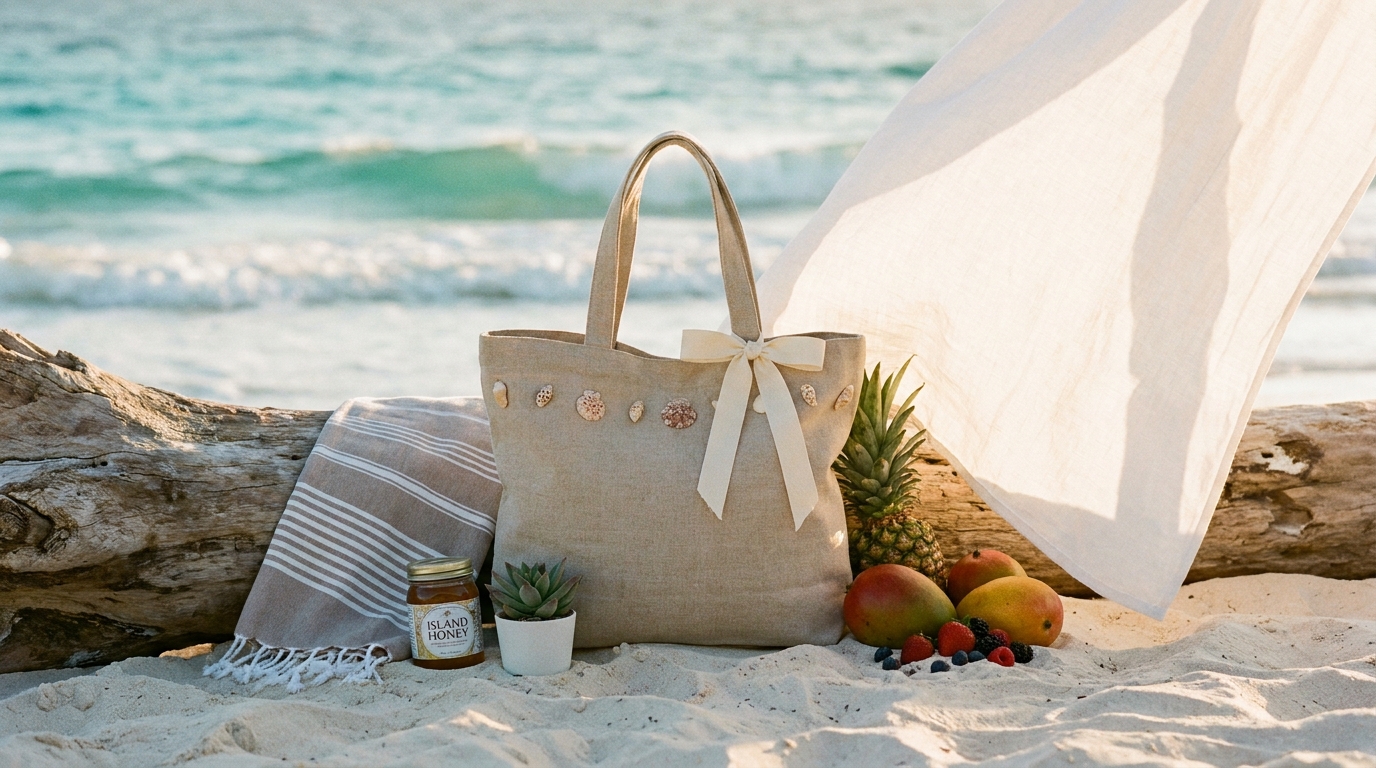
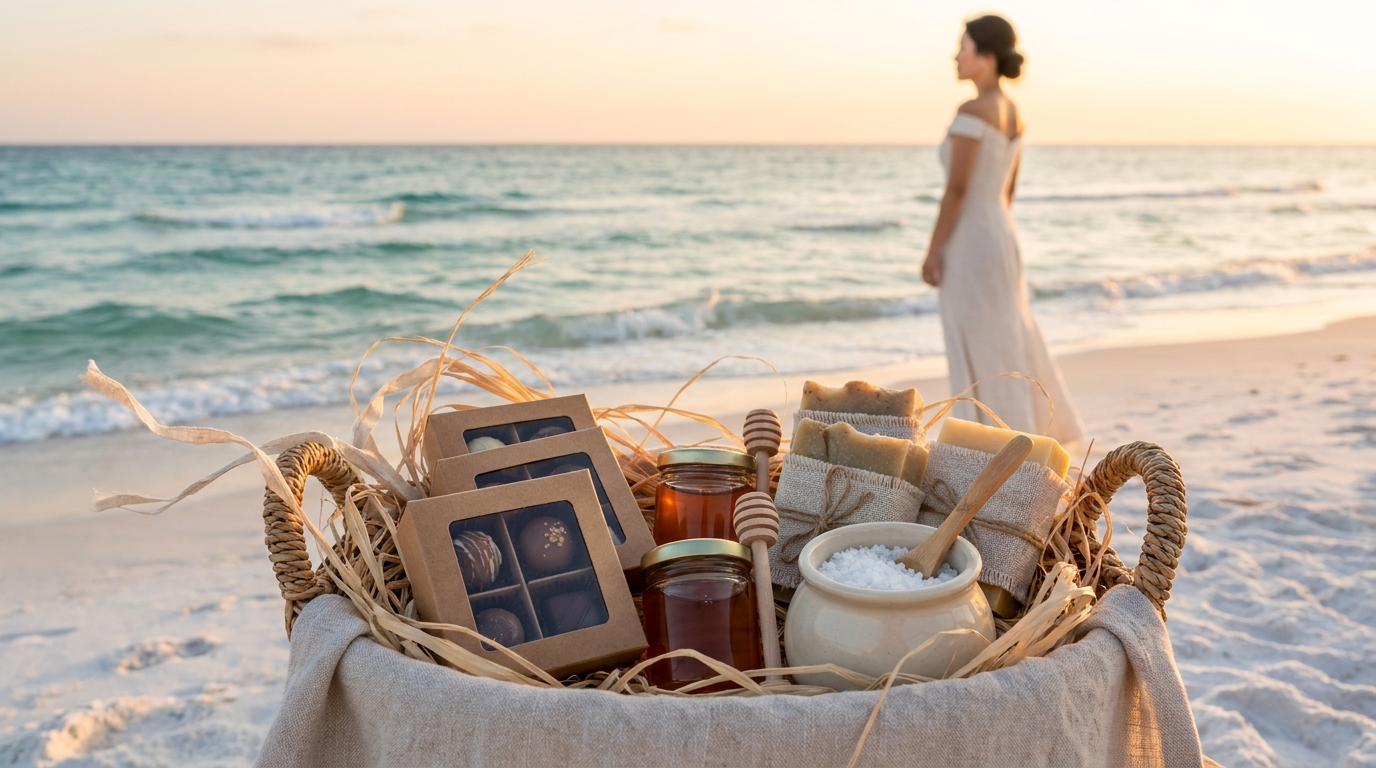
Touch two: printed, on arrival. Place a physical copy in each guest’s welcome bag at the hotel or rental. Once guests land, they’re not scrolling through email. A printed letter sitting on their nightstand becomes the quick-reference guide for the entire weekend.
Why Timing Matters More Than You Think
Destination weddings are typically planned 13 to 18 months in advance, and invitations often go out more than six months before the event. [Source: Destify] The welcome letter fills the communication gap between that early invitation and the actual trip. Sending it too early means details get lost. Sending it too late means guests can’t act on the information. The two-to-four-week window hits the sweet spot.
What Should You Include in a Destination Wedding Welcome Letter?
Include a personal greeting, event schedule with dress codes, weather and packing tips, local recommendations, emergency contacts, and a thank-you for traveling to celebrate with you.
The Non-Negotiable Elements
-
Personal greeting and gratitude: Open by thanking guests for making the trip. Acknowledge the effort, not just the attendance.
-
Weekend schedule: List each event with date, time, location, and dress code. Note which events are required versus optional.
-
Transportation details: Airport shuttle info, ride-share availability, or rental car recommendations.
-
Emergency contacts: Your wedding planner’s phone and WhatsApp (e.g., +52-998-555-1234), a designated point person from your wedding party, the resort’s main line, and local emergency services (e.g., 911 in Mexico works the same as in the U.S.).
-
Weather and attire guidance: Average temperature, humidity level, and specific footwear notes (e.g., “Skip the stilettos. The ceremony is on sand.”).
Optional Additions That Elevate the Experience
-
Three to five restaurant recommendations with cuisine type and price range
-
Activity suggestions (snorkeling, local markets, spa services)
-
Tipping customs and currency exchange tips
-
A brief note about your love story or why you chose this destination
-
Wi-Fi passwords for the venue or rental property
What to Leave Out (and Why)
Resist the urge to include registry information, detailed packing lists, or minute-by-minute schedules. Registry details belong on your wedding website, not in a hospitality note. Overly granular packing lists feel patronizing. And a schedule broken into 15-minute increments reads like a corporate agenda, not a celebration. Keep the letter warm and scannable.
How Formal Should a Destination Wedding Welcome Letter Be?
A destination wedding welcome letter should match your wedding’s overall tone: warm and conversational for casual celebrations, more polished for formal events, but always personal and gracious.
Stationery and planning sources recommend keeping a welcome note to one printed side and roughly 100 to 180 words. Notes over 200 words are more likely to go unread past the first paragraph. [Source: Paperlust]
Tone Calibration by Wedding Style
| Wedding Style | Tone | Example Opening |
|---|---|---|
| Casual beach | Relaxed, playful | ”You made it! Kick off your shoes and grab a margarita.” |
| Elegant villa | Warm, polished | ”We are so honored you’ve traveled to celebrate with us in Tuscany.” |
| Resort all-inclusive | Friendly, practical | ”Welcome to Jamaica! Here’s everything you need for an incredible weekend.” |
| Intimate elopement-style | Heartfelt, personal | ”Having you here means the world. This trip wouldn’t be the same without you.” |
Wedding Hotels in Jamaica
Compare all-inclusive resorts and boutique hotels in Jamaica. Read verified reviews, check wedding-friendly amenities, and book with free cancellation.
Free cancellation on most properties. No booking fees.
Search Jamaica HotelsThe Gratitude-to-Logistics Ratio
Industry practitioners typically suggest a 30/70 split: about 30% of the letter should express gratitude and personal warmth, and 70% should deliver practical information. Lead with heart, then get useful. Your guests want to feel appreciated first and informed second.
Should You Print or Email Your Destination Wedding Welcome Letter?
Do both. Email the letter two to four weeks before travel so guests can plan, then include a printed version in welcome bags as a physical reference during the trip.
Digital Delivery: What Works and What Doesn’t
Digital wedding communications have become standard. One 2025 guide reported that 66% of wedding invitations were sent digitally in 2024, up from 35% in 2019. [Source: With Joy] Email works well for welcome letters because guests can search it, forward it to travel companions, and click embedded links. Avoid sending the letter only through social media or a group chat, where it gets buried under memes and side conversations.
Wedding Invitations from Minted
Designer wedding invitations from over 16,000 independent artists. Foil-pressed, letterpress, and digital prints with free guest addressing on most orders.
Trusted by 1M+ couples. Free guest address printing.
Browse InvitationsPrint Specifications for Welcome Bags
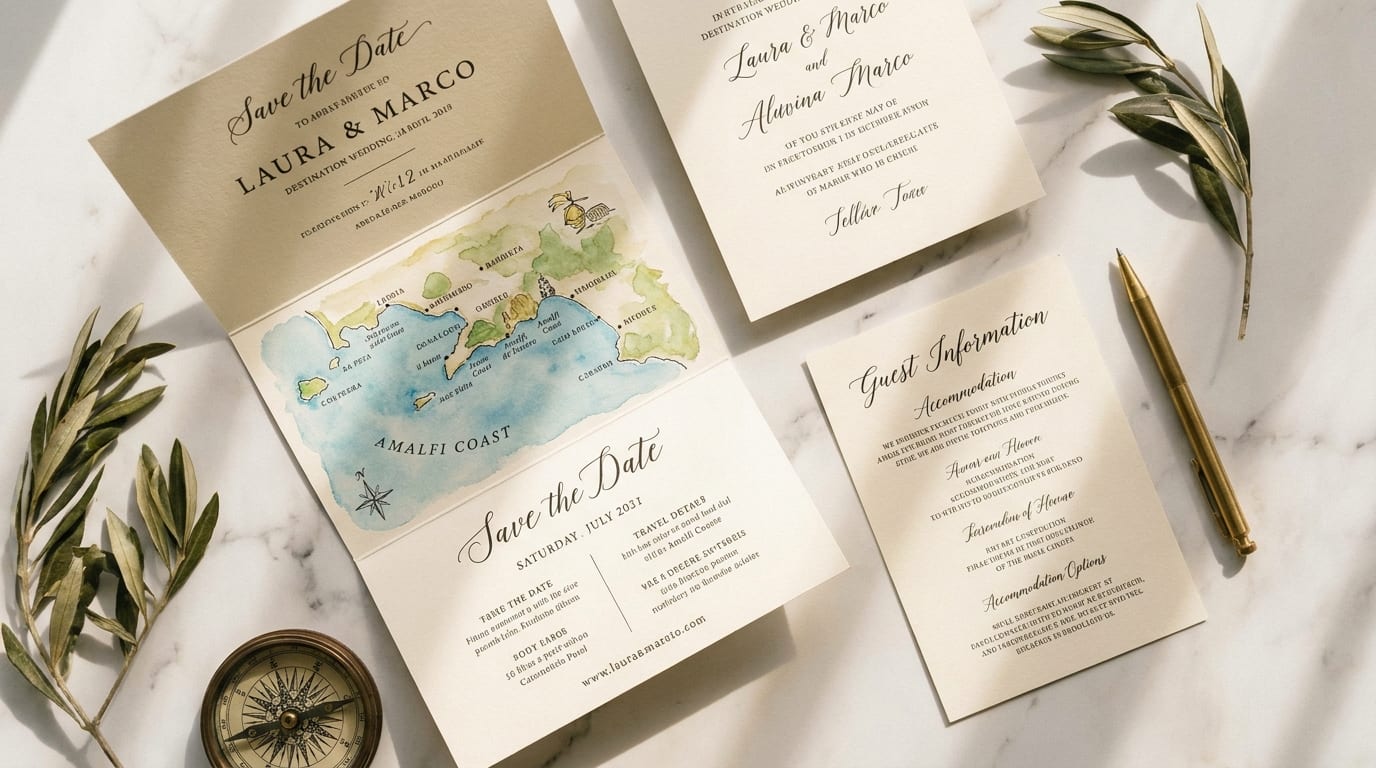
For the printed version, use a single-sided card or a folded 5x7 card stock. Keep it scannable with bold headers for each section (Schedule, Dress Code, Contacts). If you’re working with a destination wedding planner, they can often coordinate printing and welcome bag assembly at the destination, saving you from packing 60 cards in your luggage.
What Are Common Mistakes in Destination Wedding Welcome Letters?
Common mistakes include information overload, vague event timing, missing dress code specifics, no local emergency contacts, and failing to express genuine gratitude for guests’ travel investment.
The Readability Problem
The biggest offender is length. When a welcome letter reads like a terms-of-service agreement, guests skim it and miss critical details. Aim for 300 to 500 words for the full version (email), and trim the printed version to 100 to 180 words that cover only the essentials. Use bullet points, bold headers, and white space generously.
Logistical Gaps That Cause Day-of Chaos
-
Vague timing: “Dinner is in the evening” is not helpful. “Rehearsal dinner at La Palapa, 7:00 PM, resort casual” is.
-
No dress code context: “Cocktail attire” means different things to different people. Add terrain and weather notes.
-
Missing emergency contacts: If a guest loses their passport, who do they call? Include your planner’s WhatsApp, the resort front desk number, and the nearest U.S. consulate if you’re abroad.
-
No transportation details: Guests need to know whether the resort provides shuttles, whether Uber operates in the area, or whether they should rent a car.
Real Destination Wedding Welcome Letter Examples
Effective welcome letters open with personal gratitude, provide a clear event schedule with attire notes, include three to five local recommendations, list emergency contacts, and close with warmth, typically in 300 to 500 words.
About 20 to 25% of U.S. weddings are destination weddings, with an average cost of $33,000. [Source: Zipdo] That investment deserves communication that matches. Here are three examples you can adapt.
Beach Wedding in Tulum: Casual and Warm
Hey, you made it to Tulum!
We still can’t believe you packed your bags and flew all the way here to celebrate with us. Seriously, it means everything.
Here’s what the weekend looks like:
Friday, March 13 — Welcome drinks at Papaya Playa Project, 6:30 PM. Come as you are. Sandals encouraged.
Saturday, March 14 — Ceremony on the beach at 4:00 PM, dinner and dancing to follow. Dress code: tropical formal (think flowy fabrics, linen suits, no heels unless you love sinking into sand).
Sunday, March 15 — Farewell brunch at the villa, 10:00 AM. Casual. Sunglasses mandatory.
Eat here: Hartwood (reserve ahead), Burrito Amor (cheap and amazing), Arca (splurge-worthy).
Getting around: Taxis are easy to find. Agree on the fare before you get in. The resort can also arrange bikes.
Need help? Text our coordinator Mariana at +52-984-555-6789 (WhatsApp works best). For anything urgent, the resort front desk is at +52-984-555-0000.
Thank you for spending your vacation days on us. Now go put your feet in the ocean.
All our love, Sarah & Jake
What works: The tone matches a beach setting. Events are listed with dates, times, and dress codes. Restaurant picks are specific and varied by price. Emergency contacts include actual phone numbers. The closing circles back to gratitude.
Villa Wedding in Tuscany: Elevated but Personal
Dear friends and family,
We are so honored that you’ve traveled to Tuscany to share this weekend with us. When we first visited this region together two years ago, we knew it was where we wanted to begin our married life. Having you here makes it complete.
Friday, June 5 — Welcome aperitivo at Villa Catignano, 7:00 PM. Smart casual. The terrace can be cool in the evening, so bring a light layer.
Saturday, June 6 — Ceremony in the garden at 4:30 PM, followed by dinner in the courtyard. Dress code: formal (long dresses, suits or tuxedos). The garden paths are gravel, so consider wedge heels or flats.
Sunday, June 7 — Late morning brunch at the villa, 11:00 AM. Come relaxed.
Dining recommendations: Osteria Le Logge in Siena (book in advance), Dario Cecchini in Panzano (legendary bistecca), La Bottega del Buon Caffè in Florence (worth the drive).
Currency: Italy uses the euro. Most restaurants accept credit cards, but carry some cash for smaller shops. Tipping is appreciated but not expected the way it is at home; rounding up or leaving €2–3 (about $2–$3) is generous.
Contacts: Our planner, Giulia, is reachable at +39-055-555-1234 (WhatsApp). The villa’s reception: +39-0577-555-0000. For emergencies in Italy, dial 112.
We can’t wait to raise a glass with you under the Tuscan sun.
With love, Emma & Luca
What works: The opening shares why the couple chose Tuscany, making it personal rather than generic. Dress code includes terrain-specific footwear advice. Currency and tipping customs prevent awkward moments. The tone is polished without being stiff.
Resort Wedding in Jamaica: Practical and Fun
Welcome to Jamaica!
You’re here. We’re here. Let’s do this.
First, thank you. We know this trip took planning, PTO negotiations, and probably a few “Are we really doing this?” conversations. We’re so glad the answer was yes.
Thursday, Nov 5 — Pool party and jerk chicken cookout, 3:00 PM at the resort pool. Swimsuits and cover-ups. Sunscreen is not optional.
Friday, Nov 6 — Ceremony on the beach at 5:00 PM, reception in the ballroom at 6:30 PM. Dress code: dressy casual (sundresses, slacks and button-downs, island prints welcome). Skip the ties.
Saturday, Nov 7 — Optional catamaran cruise, 10:00 AM (sign up at the front desk by Thursday night). Farewell dinner at 7:00 PM, casual.
Good to know: The resort is all-inclusive, so your meals and drinks are covered. Off-resort, try Scotchies for authentic jerk (cash only, about $8–$12 per plate) or The Houseboat Grill for a splurge dinner.
Getting around: The resort offers shuttle service to Montego Bay. Taxis are available but negotiate the price first. Uber does not operate here.
Contacts: Our best man, Marcus, is your go-to guy: +1-876-555-3456. Resort front desk: +1-876-555-0000. Jamaica’s emergency number: 119.
Now go enjoy that swim-up bar.
Love, Bri & Devon
What works: The tone is energetic and matches a resort vibe. The catamaran cruise is clearly marked as optional. Practical details (Uber doesn’t work there, cash only at Scotchies) prevent real problems. The designated point person is a specific member of the wedding party, not the couple.
How Do You Personalize a Destination Wedding Welcome Letter?
Personalize by referencing your relationship with guests, sharing why you chose the destination, including inside jokes or memories, and tailoring local recommendations to your group’s interests.
The Opening That Sets the Tone
Your first two sentences do the heaviest lifting. A generic “Welcome to our wedding weekend” wastes that real estate. Instead, try something that reflects your personality: “Three years ago, we got lost on a back road in Costa Rica and found the exact spot where we’ll say our vows on Saturday.” That kind of opening gives guests a reason to keep reading and makes the letter feel like it was written by you, not copied from a template.
Destination Storytelling That Resonates
Share a brief story about why this place matters to you. Did you get engaged here? Was it a childhood vacation spot? Did you discover it together? One or two sentences of context transforms the letter from a logistics sheet into something guests will actually remember. If you need help finding the right words for your specific destination, our destination guides include location-specific details that can spark ideas.
What Local Information Should You Include?
Include three to five restaurant or activity recommendations, transportation options, tipping customs, language basics, currency exchange tips, and any cultural etiquette guests should know.
Curating Recommendations Guests Will Actually Use
Don’t list every restaurant within ten miles. Pick three to five spots you’ve personally vetted or that your planner recommends, and categorize them: one budget-friendly option, one mid-range, one splurge. Include the cuisine type and whether reservations are needed. “Hartwood (farm-to-table, reserve ahead, entrées around $25–$35)” is infinitely more useful than “There are lots of great restaurants nearby.”
Cultural Context That Prevents Awkward Moments
If you’re getting married internationally, a few lines about local customs go a long way. In Mexico, tipping 15 to 20% at restaurants is standard. In Bali, guests should know that temples require sarongs and covered shoulders. In Jamaica, the local currency is Jamaican dollars, but U.S. dollars are widely accepted at tourist-area businesses. These small notes show care and prevent your guests from unintentionally offending locals or overpaying for services.
How Do You Handle Dress Codes in a Welcome Letter?
Specify dress code for each event with fabric and footwear guidance. For beach weddings, note that heels sink in sand. For tropical climates, mention breathable fabrics and humidity considerations.
Event-by-Event Dress Code Clarity
“Cocktail attire” is not enough. Your guests are packing suitcases, not closets. Tell them exactly what each event calls for. “Saturday ceremony: tropical formal. Think flowy maxi dresses, linen suits, light colors. The ceremony is on grass, so wedge heels or dressy flats work best.” That level of specificity saves guests from packing anxiety and prevents the guy in a dark wool suit from sweating through your ceremony photos.
Weather and Terrain Considerations
Include the average temperature and humidity for your wedding dates. “Expect highs around 85°F with 80% humidity. Lightweight, breathable fabrics are your friend.” If the venue involves walking on sand, cobblestones, or gravel paths, say so explicitly. Guests will thank you.
Should You Include a Wedding Weekend Itinerary?
Yes. Include a clear itinerary with event names, dates, times, locations, dress codes, and whether attendance is required or optional for each gathering.
Required Versus Optional Events
Guests who’ve spent around $2,000 to attend often feel obligated to show up to everything, even if they’re exhausted from travel. [Source: Paradise Weddings] Labeling events as “required” or “optional” relieves that pressure. The ceremony and reception are required. The Thursday pool party? Optional. The Sunday brunch? “We’d love to see you, but sleep in if you need to.” That framing empowers guests to enjoy the weekend at their own pace.
How Much Detail Is Too Much
Guests staying an average of about four nights at a destination wedding need a roadmap, not a minute-by-minute schedule. [Source: Destify] A day-by-day outline with event name, time, location, and dress code is the right level of detail. If the schedule might change, add a line: “We’ll send any updates via email and post them at the resort front desk.”
What Emergency Information Belongs in the Letter?
Include your wedding planner’s contact, a designated point person from your party, the resort or venue’s main number, and local emergency services, plus your own contact as a last resort.
The goal is to create a chain of contacts so guests never need to call you directly on your wedding day. Structure it like this:
-
First call: Wedding coordinator or planner (include WhatsApp if international)
-
Second call: Designated wedding party member (e.g., “Our best man Marcus, +1-876-555-3456”)
-
Third call: Resort or venue front desk
-
Emergency: Local emergency number (911 in Mexico, 112 in Europe, 119 in Jamaica)
-
Last resort: The couple’s phone number
How Do You Thank Guests Without Sounding Generic?
Thank guests by acknowledging the specific sacrifice: time off work, travel costs, childcare arrangements. Express what their presence means to you personally, not just that you’re grateful they came.
“Thank you for being here” is fine. “Thank you for using your vacation days, booking a flight, and finding someone to watch your dog so you could stand on this beach with us” is better. Specificity communicates sincerity. You don’t need to write a novel. One or two sentences that acknowledge the real cost, both financial and logistical, of attending a destination wedding will resonate far more than a generic “We’re so grateful.”
Close the letter the way you’d end a conversation with a close friend. “Now go enjoy that pool” or “We can’t wait to see you at dinner tonight” feels more genuine than “We look forward to celebrating with you,” which reads like a corporate email sign-off.
Need help coordinating the logistics your welcome letter will cover? Explore our destination wedding planning resources for vendor recommendations, timeline templates, and guest management tools.
Frequently Asked Questions
Here are answers to the most common questions couples ask about writing and delivering a destination wedding guest welcome note.
How long should a destination wedding welcome letter be?
The email version can run 300 to 500 words to cover all logistics. The printed version for welcome bags should be trimmed to 100 to 180 words on a single side, focusing on the schedule, dress codes, and emergency contacts. Notes over 200 words in print are more likely to go unread past the first paragraph. [Source: Paperlust]
When should I send the email version of the welcome letter?
Send it two to four weeks before your guests’ departure date. This gives them enough time to pack appropriately, make restaurant reservations, and exchange currency, but it’s close enough to the trip that the details stay fresh in their minds.
Can I use the same welcome letter for all guests?
Yes. One letter works for everyone. If you want to add a personal touch, write a short handwritten note on each printed copy in the welcome bag. Even a single sentence like “So glad you and Mike could make it” makes a mass-produced letter feel individual.
Should I include registry information in the welcome letter?
No. The welcome letter is a hospitality document, not a gift solicitation. Registry details belong on your wedding website. Including them in the welcome letter shifts the tone from “we’re grateful you’re here” to “here’s how to give us things,” which feels off after guests have already spent around $2,000 to attend.
What if my wedding details change after I send the letter?
This is one of the biggest advantages of the two-touch system. If details change after the email goes out, send a brief update email with only the changed information. Then make sure the printed version in welcome bags reflects the final, accurate details.
Do I need a welcome letter if my wedding website has all the information?
Yes. A wedding website is a reference tool guests visit when they think to check it. A welcome letter is a proactive communication that arrives in their inbox and sits in their hotel room. More than 70% of destination weddings have fewer than 50 guests, which makes personalized, direct communication especially impactful. [Source: Zipdo]
Who should write the welcome letter?
The couple. Even if your planner drafts the logistics section, the opening and closing should be in your voice. Guests traveled to celebrate your relationship, and hearing from you directly, not your coordinator, is what makes the letter feel personal.
What’s the best format for the printed version?
A single-sided 5x7 card on quality card stock is the most common format. Use bold headers for each section (Schedule, Dress Code, Contacts) so guests can scan it quickly. Avoid folding a full letter-sized sheet into an envelope. It reads like a bill, not a welcome note.