What Makes a Bridal Hairstyle ‘Easy’?
An easy bridal hairstyle requires minimal tools, holds without constant touch-ups, can be executed by a non-specialist stylist or yourself, and works with your natural hair texture instead of fighting it.
The word “easy” gets thrown around a lot in wedding hair tutorials, but most of those styles still require a professional with a full kit and two hours of prep time. A genuinely easy bridal hairstyle is different. It’s a style that survives your full wedding day, from ceremony through last dance, without needing a glam squad on standby. About 45% of brides now choose soft textured waves, while 30% opt for elevated half-up styles, both categories that lean toward simplicity over complexity [Source: Perfect Wedding Tips]. The trend is clear: brides want polished results without the fuss.
Fewer Steps, Fewer Products, Fewer Tools
A truly easy style can be broken down into five or fewer steps. If you need a curling wand, a flat iron, a crimper, a teasing comb, and a dozen different products, it’s not easy. The best simple wedding hairstyles rely on one or two tools (bobby pins and an elastic, or a single curling wand) and two to three products (texturizing spray, hairspray, and maybe a serum). One bridal guide describes a DIY style that requires zero hairstyling skills and takes less than 30 minutes [Source: Bridebook].
Works With Your Natural Texture (Not Against It)
Fighting your natural hair is a recipe for a style that falls apart by cocktail hour. Around 70% of brides want a natural or natural-effect result, with loose waves described as a direct expression of that preference [Source: Wedded]. If your hair is naturally curly, lean into curls. If it’s straight and fine, a sleek ponytail or low chignon will hold better than forced ringlets. The easiest path to a polished look is the one that starts closest to where your hair already lives.
Holds Without Constant Maintenance
Durability is the real test. A beach wedding in Cancun or Bali means humidity, wind, and potentially salt spray. Styles that secure hair close to the head, like low buns, braids, and half-up twists, minimize the surface area exposed to moisture and movement. That’s why 65% of brides in one survey choose an updo or half-up style, partly for durability and to keep the neckline clear in photos [Source: Wedded].
Do Easy Hairstyles Look Too Casual for a Wedding?
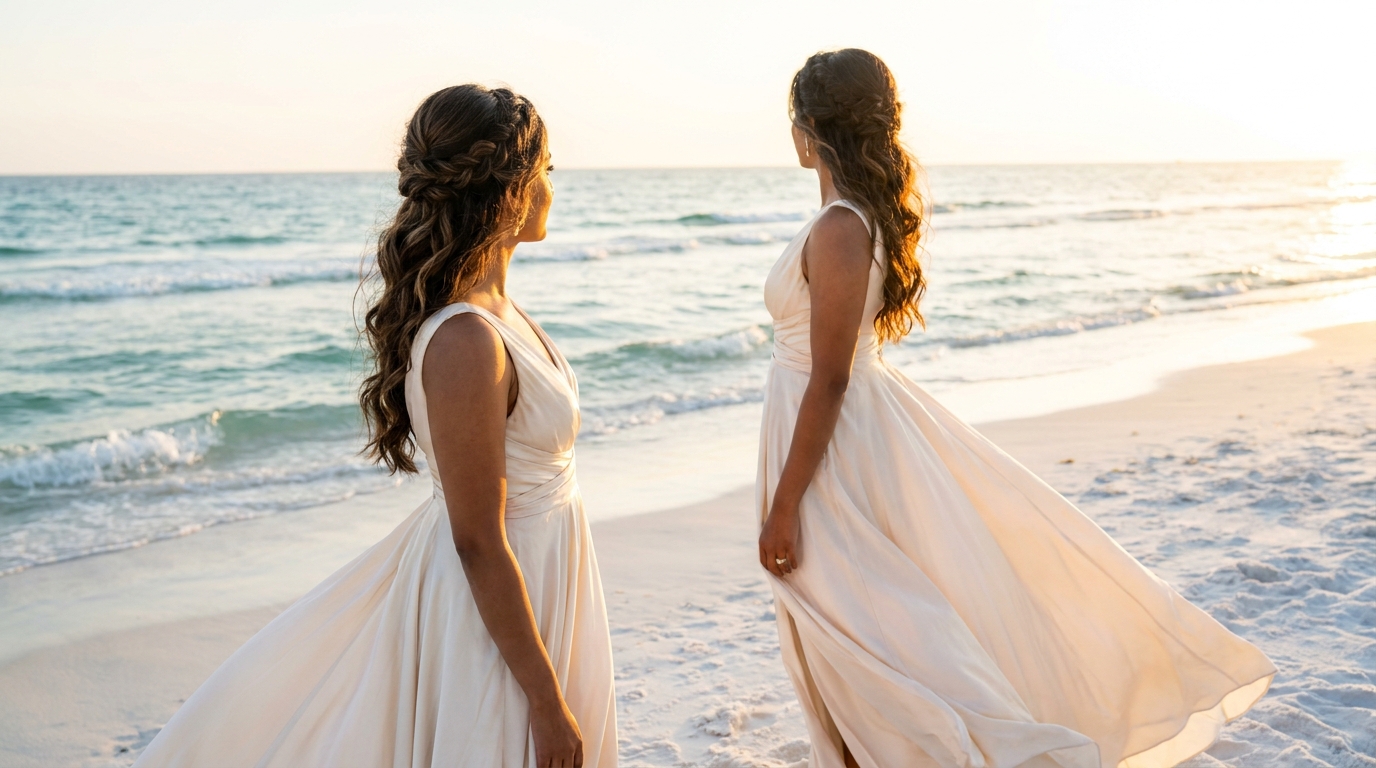
No. Easy hairstyles like low buns, textured braids, and half-up styles look polished and elegant when executed cleanly, especially with the right accessories and finishing products.
This is the biggest fear brides have about going simple, and it’s unfounded. Stylists describe the current bridal direction as “effortless luxury,” a move toward styles that feel polished, modern, and touchable rather than overly styled [Source: Perfect Wedding Tips]. The stiff, heavily sprayed updo is no longer the standard. About 60% of brides feel more confident when their hair looks effortless but polished on the big day [Source: Bridebook].
The difference between “casual” and “bridal” often comes down to three things: intentional lines (no random flyaways), a finishing product for shine, and one well-chosen accessory. A messy bun with a pearl comb reads entirely differently than the same bun you’d wear to the grocery store. Pairing your hairstyle with lightweight bridal accessories is one of the fastest ways to elevate a simple style. And you don’t need to spend a fortune. In the UK, couples spent an average of £155 (about $195) on wedding hair and makeup combined in 2024 [Source: Hitched], which suggests many brides are already keeping things streamlined.
12 Easy Bridal Hairstyles That Actually Work
The easiest bridal hairstyles include low chignons, loose side braids, half-up twists, messy low buns, sleek ponytails, textured waves with clips, braided crowns, twisted updos, side-swept curls, simple top knots, loose fishtail braids, and pinned-back natural curls.
Each style below includes a realistic time estimate, the hair types it works best for, and honest durability notes for beach and destination wedding conditions. These are styles any competent stylist can execute, and many are genuinely DIY-able with one practice run.
1. Low Chignon (The Foolproof Classic)
Why it’s easy: A low chignon is essentially a polished bun at the nape of your neck, secured with pins and an elastic. No braiding, no complicated twisting. Best for: Medium to long hair, all textures. Durability: Excellent. Holds 8+ hours in high humidity because hair is fully secured. Time: 10-15 minutes DIY, 20-30 minutes with a stylist for a more refined finish. Accessory pairing: A jeweled comb or fresh tropical flowers tucked at the base.
2. Loose Side Braid (Boho Without the Fuss)
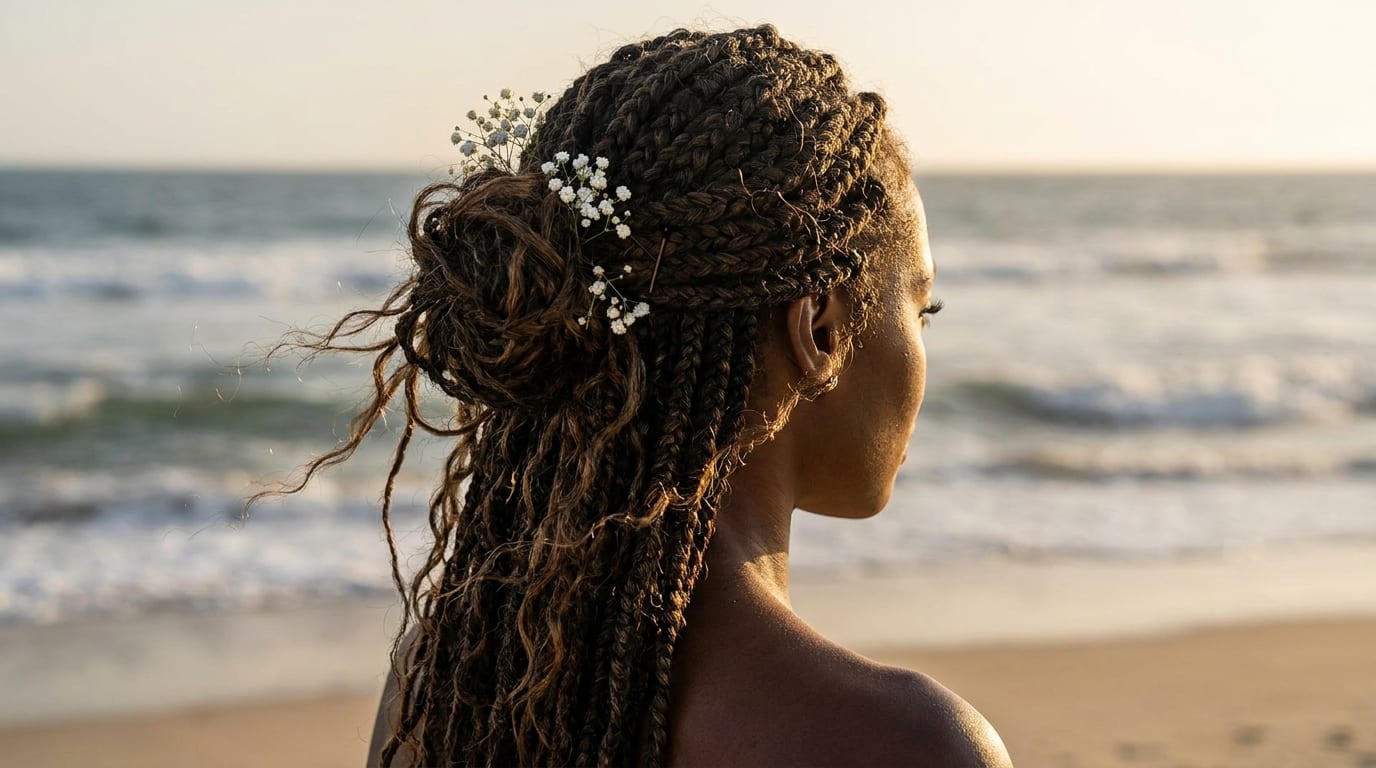
Why it’s easy: A standard three-strand braid pulled to one side and gently loosened. No French braiding required. Best for: Long hair, wavy or curly textures. Durability: Good. The braid structure holds well in wind, though very fine hair may need texturizing spray for grip. Time: 5-10 minutes DIY. Accessory pairing: Small flowers or pearl pins woven through the braid.
3. Half-Up Twist (5 Minutes, Maximum Impact)
Why it’s easy: Take two sections from the front, twist them back, and pin where they meet. That’s it. Vogue’s wedding hair roundup describes half-up, half-down hairstyles as the easiest to replicate [Source: Bridebook]. Best for: All hair lengths from shoulder and up, all textures. Durability: Very good. The secured top section stays put while the loose bottom moves naturally. Time: 5 minutes DIY, 15 minutes with a stylist who adds curled ends. Accessory pairing: A decorative clip or barrette at the twist point.
4. Messy Low Bun (Effortless Elegance)
Why it’s easy: Gather hair into a low ponytail, twist loosely, wrap into a bun, and pin. Pull a few face-framing pieces out. Imperfection is the point. Best for: Medium to long hair, especially wavy textures. Durability: Good to excellent. The “messy” structure means any loosening that happens actually enhances the look. Time: 10 minutes DIY, 20 minutes with a stylist. Accessory pairing: A vine-style headpiece or single statement pin.
5. Sleek Low Ponytail (Modern and Minimal)
Why it’s easy: Smooth hair back, secure at the nape, wrap a small section around the elastic to hide it. One tool (a brush), one product (gel or smoothing cream), one elastic. Best for: Straight to slightly wavy hair, medium to long. Durability: Excellent in humidity. Hair is fully controlled with minimal frizz exposure. Time: 5-10 minutes DIY. Accessory pairing: A silk ribbon or metallic cuff around the ponytail base.
6. Textured Waves with Decorative Clips
Why it’s easy: Create loose waves with a curling wand (or sleep in braids the night before), then add two or three decorative clips. The clips do the styling work for you. Best for: All hair lengths, especially shoulder-length hair that’s too short for updos. Durability: Moderate. Waves may relax in high humidity, so use a strong-hold spray. Best for evening ceremonies or less humid locations. Time: 15-20 minutes DIY (including curling), 25 minutes with a stylist. Accessory pairing: Pearl or crystal clips are the accessory here.
7. Braided Crown (Easier Than It Looks)
Why it’s easy: Two basic braids, one on each side, pinned across the top of the head. It looks intricate but uses only a simple three-strand technique. Best for: Long hair, all textures. Thicker hair creates a fuller crown naturally. Durability: Excellent. Fully secured and wind-resistant, making it ideal for beach ceremonies. Time: 15-20 minutes DIY, 25-30 minutes with a stylist. Accessory pairing: Small flowers tucked into the braid, or wear it unadorned as the focal point.
8. Twisted Low Updo (No Braiding Skills Required)
Why it’s easy: Divide hair into three sections, twist each one, and pin them into a low cluster at the nape. Twisting is simpler than braiding because you’re only working with one strand at a time. Best for: Medium to long hair, straight to wavy. Durability: Very good. Multiple pin points create a secure structure. Time: 15 minutes DIY, 20-25 minutes with a stylist. Accessory pairing: A jeweled comb placed above the twist cluster.
9. Side-Swept Curls (Old Hollywood, Zero Stress)
Why it’s easy: Curl all hair in the same direction, brush through for soft waves, and pin one side behind the ear. Best for: Medium to long hair, naturally wavy or curly textures. Durability: Moderate to good. The pinned side stays secure, but the loose side may need a touch of spray in wind. Time: 20 minutes DIY, 30 minutes with a stylist. Accessory pairing: A vintage-style clip or comb on the pinned side.
10. Simple Top Knot (High Drama, Low Effort)
Why it’s easy: Pull hair into a high ponytail, twist, wrap, and pin. A hair doughnut adds volume if your hair is fine. One source notes a similar bun style can be done in under five minutes [Source: Bridebook]. Best for: Medium to long hair, all textures. Durability: Excellent. High and tight means gravity works with you, not against you. Time: 5-10 minutes DIY. Accessory pairing: A headband or tiara placed in front of the knot.
11. Loose Fishtail Braid (Forgiving and Romantic)
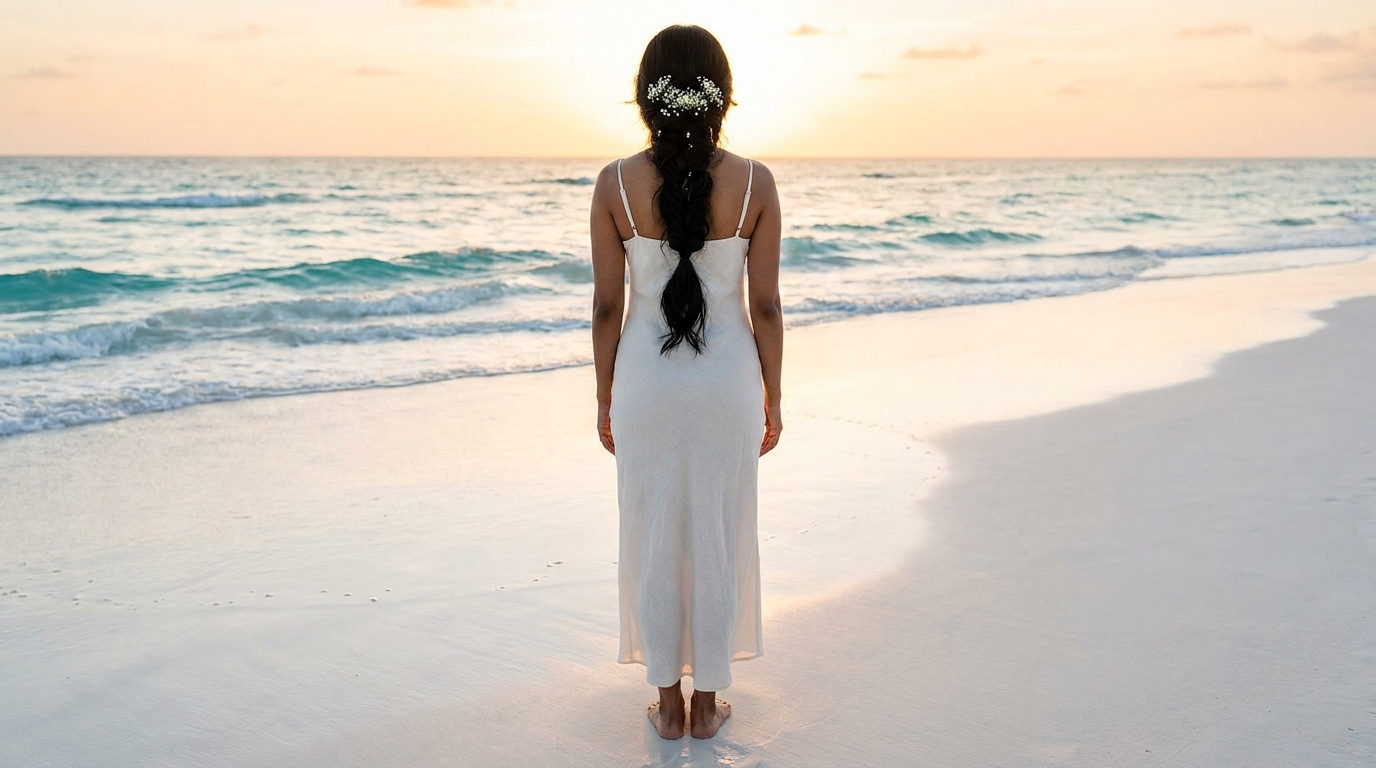
Why it’s easy: A fishtail braid uses only two sections (not three), and the messier it gets, the better it looks. Pulling the braid apart after finishing hides any imperfections. Best for: Long hair, all textures. Durability: Good. The interlocking structure resists wind well. Time: 10-15 minutes DIY, 15-20 minutes with a stylist. Accessory pairing: A ribbon woven through, or small pins scattered along the braid.
12. Pinned-Back Natural Curls (Let Your Texture Shine)
Why it’s easy: Define your natural curls with your usual products, then pin the front sections back with decorative clips or pins. No heat tools needed. Best for: Naturally curly or coily hair, any length. Durability: Very good. Natural curl patterns hold their shape better than heat-created curls, especially in humidity. Time: 10 minutes beyond your normal curl routine. Accessory pairing: Gold or crystal pins, a floral crown, or a jeweled headband.
Which Easy Hairstyles Hold Up Best in Humidity?
Low buns, sleek ponytails, and braided styles hold best in humidity because they secure hair close to the head and minimize exposed surface area that can frizz or fall flat.
If you’re planning a beach wedding in a tropical destination, humidity is your biggest styling variable. Here’s how each style category performs:
| Style Category | Humidity Resistance | Wind Resistance | Best For |
|---|---|---|---|
| Low Chignon / Bun | Excellent | Excellent | Tropical beach ceremonies |
| Sleek Low Ponytail | Excellent | Good | Waterfront or garden weddings |
| Braided Crown | Excellent | Excellent | Windy beach locations |
| Half-Up Twist | Good | Good | Moderate humidity, evening ceremonies |
| Loose Waves / Down Styles | Moderate | Low | Indoor receptions, dry climates |
| Pinned-Back Natural Curls | Very Good | Good | Any humidity level (curls thrive) |
| Fishtail / Side Braid | Good | Very Good | Breezy outdoor settings |
For more ideas tailored to longer hair in coastal settings, check out our guide to beach wedding hairstyles for long hair. The general rule: the more secured your hair is, the better it handles moisture and movement.
Can You DIY These Styles, or Do You Need a Stylist?
Half-up twists, low ponytails, messy buns, and simple braids are genuinely DIY-able with practice. Low chignons, braided crowns, and twisted updos are easier with a stylist but don’t require advanced skills.
A bridal hair guide from Bridebook confirms that hiring a wedding hairstylist is not a necessity and that you can do your own wedding hair, though it also notes stylists bring the right tools, product knowledge, and stress reduction on the day [Source: Bridebook].
Truly DIY-Friendly (With One Practice Run)
-
Half-up twist (5 minutes, minimal tools)
-
Sleek low ponytail (5-10 minutes, brush and elastic)
-
Messy low bun (10 minutes, pins and elastic)
-
Loose side braid (5-10 minutes, one elastic)
-
Pinned-back natural curls (10 minutes beyond your normal routine)
-
Simple top knot (5-10 minutes, pins and elastic)
Do at least one full practice run, including wearing the style for several hours to test hold. Take photos from multiple angles so you can see what the camera sees.
Better With a Stylist (But Any Stylist Can Do Them)
-
Low chignon (a stylist ensures a smoother, more symmetrical finish)
-
Braided crown (pinning the braids across the top is tricky to do on yourself)
-
Twisted low updo (multiple sections are easier when someone else can see the back)
-
Side-swept curls (uniform curl direction is easier with a second pair of hands)
What to Bring to Your Stylist Appointment
If you’re working with a local stylist at your destination resort, bring three to five reference photos showing the exact style from different angles. Include a photo of your dress neckline, any accessories you plan to wear, and a note about the ceremony setting (beach, garden, indoor). This gives even a non-specialist stylist everything they need to deliver the look you want.
Find Your Wedding Venue & Guest Hotels
Compare resort rates, read verified guest reviews, and book with free cancellation. Filter by wedding-friendly properties at your destination.
Free cancellation on most properties. No booking fees.
Search HotelsWhat Products and Tools Do You Actually Need?
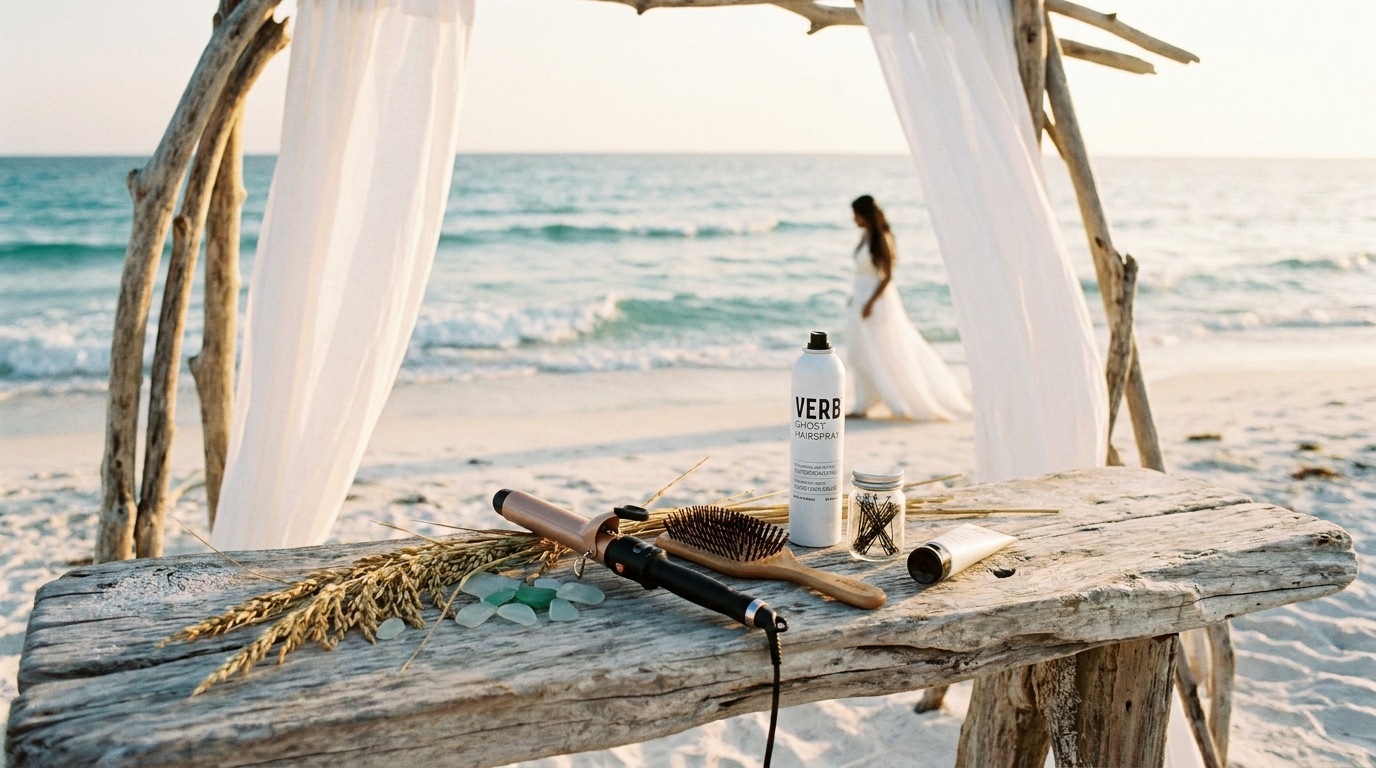
You need a texturizing spray or dry shampoo for grip, strong-hold hairspray, bobby pins that match your hair color, a few clear elastics, and optionally a curling wand or flat iron for pre-styling texture.
Skip the 15-product tutorial kit. For DIY bridal hair, here’s your real essentials list:
-
Texturizing spray or dry shampoo: Applied to day-old or second-day hair, this gives grip so pins and elastics hold better.
-
Strong-hold hairspray: Apply after finishing, not during. A light mist from 10-12 inches away prevents crunchiness.
-
Bobby pins in your hair color: Buy more than you think you need. Twenty is a reasonable minimum for updos.
-
Clear elastics: Small, snag-free elastics that disappear into the style.
-
Shine serum (optional): A tiny amount smoothed over the finished style adds a bridal polish.
-
Curling wand (optional): Only needed if your style requires waves and your hair is naturally straight.
How Do You Make an Easy Hairstyle Look More ‘Bridal’?
Add a statement hair accessory, use a shine serum on finished hair, ensure clean intentional lines, and hide visible elastics or messy flyaways that read as unfinished rather than effortless.
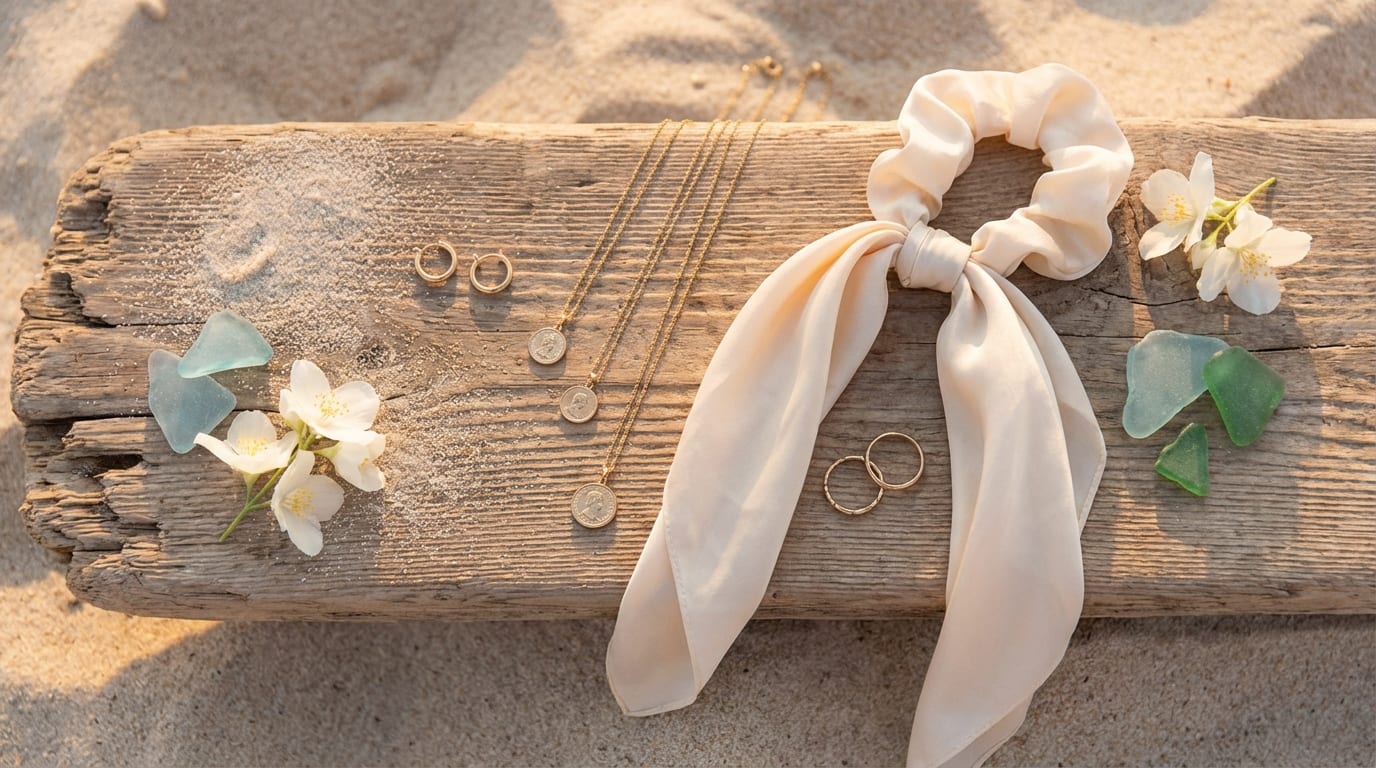
The gap between “everyday easy” and “bridal easy” is smaller than you think. A few deliberate finishing touches bridge it completely. Fresh flowers, a jeweled comb, or even a simple satin ribbon instantly signals “this is intentional.” Explore options like lightweight bridal accessories that won’t weigh down your style or overheat in tropical weather. A light shine serum on the finished look catches light beautifully in photos. And the single most important detail: make sure any “messiness” looks deliberate. Pull out face-framing pieces on purpose, don’t let them escape on their own.
What Hair Lengths Work Best for Easy Bridal Styles?
Shoulder-length to long hair offers the most options. Short hair works best with half-up styles, textured waves with clips, or sleek styles that embrace the length rather than trying to fake volume.
If your hair is above your shoulders, focus on styles 3 (half-up twist), 6 (textured waves with clips), and 12 (pinned-back natural curls). These styles don’t require length to look complete. For bobs and lobs, the current trend toward “sleek flips, polished blowouts, and chic bobs” works in your favor [Source: Perfect Wedding Tips]. Embrace your length rather than fighting it with extensions or padding.
Should You Do a Hair Trial for an Easy Style?
Yes, even for easy styles. A trial confirms the look holds in your hair type, the stylist understands your vision, and you’re comfortable with the final result before the wedding day.
Among brides who hire professional hairdressers, 72% have at least one trial [Source: Wedded]. That number is striking because it includes brides choosing relatively straightforward looks. A trial becomes especially valuable when the style must survive a long event in challenging conditions. For destination weddings, you may not be able to do an in-person trial with your on-site stylist. In that case, do a trial at home with a local stylist (or yourself), wear the style for at least four hours, and document it with photos. This gives you a realistic preview and a reference set to share with your destination stylist.
Common Mistakes That Make Easy Hairstyles Look Sloppy
Using too little product so hair falls apart, leaving visible bobby pins or elastics, skipping a finishing spray, over-teasing for volume, and not securing the style tightly enough at the base.
-
Too little product: Second-day hair with texturizing spray holds pins and elastics dramatically better than freshly washed hair. Don’t skip this step.
-
Visible hardware: Bobby pins should match your hair color exactly. Clear elastics should be fully hidden under wrapped hair sections.
-
No finishing spray: Even the most secure style benefits from a light coat of strong-hold hairspray as the final step.
-
Over-teasing: A little backcombing at the crown adds volume. Too much creates a tangled, dated look that’s hard to brush out later.
-
Loose base: The foundation of any updo or bun needs to be tight. You can loosen and pull pieces out afterward, but starting loose means the whole thing collapses within an hour.
-
Ignoring your environment: Wearing loose waves to a windy beach ceremony means you’ll spend the whole time pushing hair out of your face. Match the style to the setting.
Ready to plan the rest of your destination wedding look? Explore our complete guide to complete beach wedding looks, from dresses to shoes to accessories that actually work on sand.
Frequently Asked Questions
Here are the most common questions brides ask about choosing and executing simple wedding hairstyles for destination and beach weddings.
Can I really do my own wedding hair?
Yes. Styles like half-up twists, messy low buns, sleek ponytails, and simple braids are genuinely DIY-able. Bridebook confirms that hiring a hairstylist is not a necessity and that brides can do their own hair with the right preparation. Do at least one full practice run, including wearing the style for several hours to test durability.
Which easy bridal hairstyle is best for a beach wedding?
Low chignons, braided crowns, and sleek low ponytails perform best at the beach because they secure hair close to the head, minimizing frizz from humidity and movement from wind. Avoid wearing hair fully down unless your ceremony is indoors or in the evening when conditions are calmer.
How long does an easy bridal hairstyle take to do?
The simplest styles, like a half-up twist or top knot, take about 5 to 10 minutes. More detailed options like a braided crown or side-swept curls take 15 to 30 minutes. With a stylist, add 5 to 10 minutes for a more polished finish. One source notes certain bun styles can be completed in under five minutes.
Will an easy hairstyle hold up all day without touch-ups?
Secured styles like buns, braids, and ponytails can hold 8+ hours with proper product application. The keys are using texturizing spray on day-old hair for grip, securing the base tightly, and finishing with strong-hold hairspray. Loose, down styles are more likely to need a mid-event refresh.
What if the stylist at my destination resort doesn’t understand what I want?
Bring three to five reference photos from multiple angles, a photo of your dress neckline, and a note about your ceremony setting. These visual references communicate more effectively than verbal descriptions, especially across language barriers. The 12 styles in this guide are widely recognized and any trained stylist should be able to execute them.
Do I need a hair trial if my style is simple?
Yes. Even for easy styles, 72% of brides who hire professional hairdressers have at least one trial. A trial confirms the style holds in your specific hair type, the products work in your climate, and you’re happy with the result before the pressure of the wedding day.
What’s the most flattering easy hairstyle for photos?
Updos and half-up styles keep your neckline and face clear, which photographs well. 65% of brides choose an updo or half-up style partly because these looks frame the face and show off dress details in photos. Side-swept curls and low chignons are particularly photogenic from all angles.
How much does wedding hair cost if I hire a stylist?
Costs vary significantly by location. In the UK, on-the-day styling often starts around £120 (about $150) and can reach £300+ (about $380+) for high-end stylists, with the average spend on wedding hair and makeup reported at £155 (about $195). Destination wedding styling costs depend heavily on the resort and local market. DIY styling, of course, costs only the price of your products and tools.